
Republicans Downplay Affordability Concerns, Brush Off Election Setbacks

Nearly two weeks after Republicans suffered major losses in elections across Georgia, New Jersey, Pennsylvania and Virginia, party leaders continue to insist there is no crisis—either in their policies, their message, or President Donald Trump’s leadership.
Trump and his advisers argue that Democrats and the media are overstating voter concerns about rising costs and the broader economy. GOP officials preparing for next year’s midterms are urging candidates to align closely with the president and highlight his record rather than shift their message.
This position emerged from a series of private strategy sessions among top Republican officials in Washington, including inside the White House, following the Nov. 4 defeats. The conversations reflect how tightly the party’s political fortunes remain bound to Trump, a term-limited president who continues to insist that the U.S. economy is strong—even as more Americans report feeling the strain of high prices.
Republican National Committee spokesperson Kiersten Pels said the party is “more unified behind President Trump than ever before,” calling his agenda “the strongest path to victory.” Yet Trump’s approval rating is similar to those of former Presidents Barack Obama and George W. Bush at the same point in their second terms—periods that preceded major midterm losses for their parties.
Trump denies affordability problems
Although the White House has quietly shifted its focus toward affordability concerns since the election, Trump maintains that economic anxieties are exaggerated. He has pointed to tariff cuts on beef and other consumer goods as proof he is addressing household costs. But he continues to claim that inflation was at historic highs under Democrats and is now “back to normal,” despite ongoing price increases. His assertion that Thanksgiving dinner costs are down 25 percent is also incorrect—grocery prices are up 2.7 percent from 2024.
Economic concerns dominated voter sentiment in this month’s elections, according to the AP Voter Poll.
Republican strategist Doug Heye said Trump’s refusal to acknowledge voters’ concerns could complicate GOP campaigns ahead of 2026, a historically difficult political environment for the party in power. “Candidates cannot afford to be distracted,” Heye said. “If you’re not talking about what voters are talking about, they will tune you out.”
Some Republicans break from Trump’s messaging
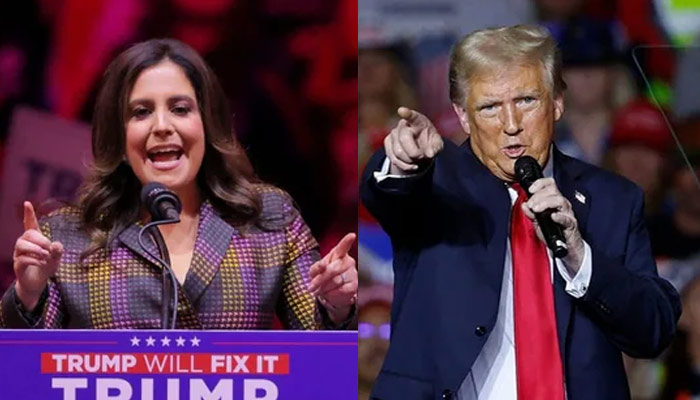
Not all GOP candidates share Trump’s outlook. Rep. Elise Stefanik of New York, who launched a bid for governor last week, said affordability is the overwhelming issue for her constituents. She downplayed cultural battles—such as transgender athlete restrictions—that dominated recent campaigns elsewhere, including in Virginia.
Stefanik did not criticize Trump’s major policies but avoided endorsing controversial actions he has threatened, such as sending the National Guard to New York City. She instead focused on removing Democratic Gov. Kathy Hochul, saying Republican unity in the state is centered on that goal.
RNC talking points minimize losses
The Republican National Committee’s internal talking points, reviewed by AP, attribute the Nov. 4 defeats to Democratic turnout advantages in key states while glossing over losses in Georgia and Pennsylvania. They also claim Trump is more popular than Obama or Bush were at the same point in their presidencies, a statement contradicted by AP-NORC and Gallup polling.
Trump’s approval rating stands at 36 percent in a November AP-NORC poll—slightly higher than his standing at this point in his first term, but still below where Obama and Bush were during similar stages of their second terms. Both presidents went on to preside over significant midterm losses.
Despite this, the RNC’s message remains defiant, asserting that the recent elections “were not a referendum” on Trump or his agenda and insisting that maximizing turnout among “Make America Great Again” voters will secure victory in 2026.
Comments are closed.