
“Stay Anaemia-Free This Winter: Essential Tips for Pregnant Women”

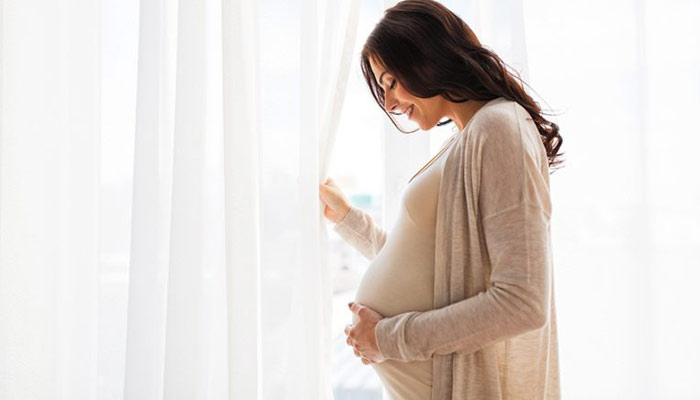
Winter Pregnancy and Anaemia: How Sunlight, Supplements, and Diet Can Help.
Winter brings cozy foods, slower routines, and early sunsets—but for pregnant women, it can also mean a hidden challenge: reduced sunlight and falling vitamin D levels. This seasonal dip affects more than mood or immunity; it directly impacts red blood cell health. Less sunlight means lower vitamin D production, which can increase the risk of anaemia during pregnancy. Understanding this link is key to prevention.
Why Low Sunlight Matters
Vitamin D plays a crucial role in blood health, far beyond its well-known benefits for bones. “Vitamin D deficiency and anaemia are closely linked in pregnancy because vitamin D helps produce red blood cells and regulate iron metabolism,” explains Dr. Keerti Khetan, Director of Obstetrics & Gynaecology at CK Birla Hospital, Delhi. When vitamin D levels drop, the hormone hepcidin rises, reducing the protein ferroportin and impairing iron absorption.
This chain reaction affects nearly all markers of red blood cell health. “Pregnant women with low vitamin D are more likely to develop anaemia, showing lower hemoglobin, RBC count, and hematocrit, along with higher red cell distribution width,” Dr. Khetan adds.
Dr. Payal Choudhary, Senior Consultant Obstetrician & Gynaecologist at Rosewalk by Rainbow Hospitals, Delhi, notes that winter intensifies the risk. “Limited sunlight in colder months compromises the body’s ability to produce healthy blood cells. Maintaining vitamin D levels is essential for hemoglobin and overall wellbeing,” she says.
Sunlight, Supplements, and Smart Nutrition
Prevention starts with keeping vitamin D levels up. Dr. Choudhary recommends following your doctor’s advice for vitamin D supplements, especially in winter. Even 15–30 minutes of midday sun exposure, three times a week, can help your body synthesize vitamin D naturally, despite weaker winter UVB rays.
Diet also plays a central role. Iron-rich foods—leafy greens, lean meats, lentils, beans, and fortified cereals—should feature in winter meals. Pairing them with vitamin C-rich foods such as citrus fruits, tomatoes, and amla enhances absorption and supports healthy metabolism during pregnancy.
Regular Screening and Professional Guidance Are Key
Routine blood tests for hemoglobin, ferritin, and vitamin D levels are crucial to catch deficiencies early. Women with limited sun exposure, dietary restrictions, or higher nutritional needs particularly benefit from testing.
“Combining vitamin D with iron supplements may help manage anaemia in pregnant women,” says Dr. Khetan, adding that dosages must always be guided by an obstetrician for safety.
Stay Healthy This Winter
With mindful sunlight exposure, doctor-recommended supplements, nutrient-rich meals, and timely screening, pregnant women can maintain strong vitamin D and iron levels throughout the colder months. Winter may limit sunlight, but it doesn’t have to limit your health.
Comments are closed.