
Sunrise Spectacle in Egypt: The 13th-Century BC Temple You Can’t Miss

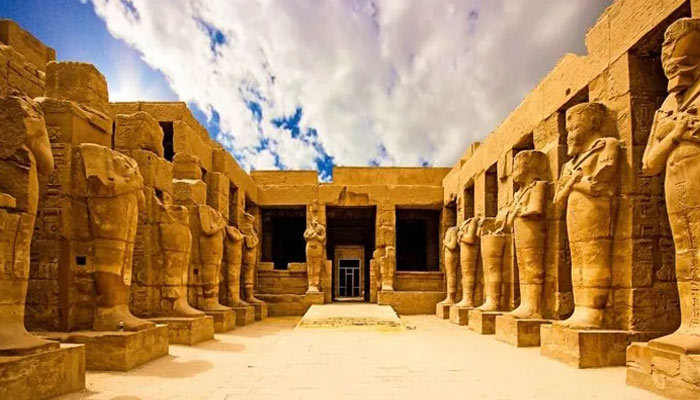
Carved into the sandstone cliffs in the 13th century BCE, the colossal statues of Ramses II dominate the entrance to Abu Simbel, greeting the first rays of sunlight with awe-inspiring grandeur.
Towering 20 metres high, these four statues are flanked by smaller figures of family and gods, embodying the pharaoh’s divine authority. Twice each year—on February 22 and October 22—the rising sun aligns perfectly with the temple’s entrance, illuminating the inner sanctuary in a spectacle that has captivated travelers for millennia. Arriving pre-dawn allows visitors to witness the quiet, profound awakening of this UNESCO World Heritage site.
As sunlight floods the temple corridor, a golden shaft penetrates 60 metres into the Great Temple, casting light on three seated statues: Ramses II as a god, Amun (king of gods), and Ra-Horakhty (sun god). Ptah, god of creation and darkness, remains in shadow, preserving the mystery. This precise astronomical alignment—unchanged for over 3,200 years—testifies to ancient Egypt’s mastery of architecture, astronomy, and ceremonial symbolism, celebrating divine endorsement of the pharaoh’s reign. Experiencing it firsthand is nothing short of mesmerizing.
The Abu Simbel Sun Festival draws thousands during these dates, blending ancient ritual with modern celebration. Commemorative processions, echoing rhythmic chants and drumbeats, honor Ramses II’s birthday (October) and ascension (February). Nubian performers in colorful attire dance to traditional music, their movements invoking centuries-old customs. For 20 minutes, sunlight floods the sanctuary, uniting history, culture, and shared anticipation in Egypt’s southern desert.
Beyond the temple, the festival vibrates with Nubian heritage. Artisans showcase handcrafted jewelry, textiles, and carvings, while food stalls serve local favorites like koshari, kebabs, and sweet pastries. The lively atmosphere, enriched by music and dance, immerses visitors in the warmth and resilience of Nubian culture. Staying in Abu Simbel village offers a chance to explore domed homes and enjoy genuine hospitality, making the festival a bridge between past and present.
As night falls, the temples are bathed in dramatic light during the sound-and-light show. Narratives of Ramses II and ancient gods unfold against the monumental façades, while beams highlight carvings and statues. The backdrop of Lake Nasser adds a surreal, almost cinematic quality, extending the magic of the day and offering reflection on Egypt’s enduring legacy. Early booking is essential, as the show fills quickly.
Abu Simbel is accessible from Aswan via a 45-minute flight or a scenic 3.5-hour drive along Lake Nasser. Visitors can stay in Nubian lodges or resorts like Seti Abu Simbel, but reservations should be made months in advance. Arrive early to secure prime viewing inside the temple; crowds grow rapidly. Pack light layers, sunscreen, a hat, water, and snacks. For a fuller Egyptian experience, combine the festival with Nile cruises or visits to Luxor. The mild weather in February or October makes this remote desert site especially comfortable to explore.
The Abu Simbel Sun Festival is more than tourism—it is a living testament to human ingenuity and cosmic harmony. Travelers leave transformed, carrying memories of sunlight touching divine faces after millennia. Amid Nubian music and desert silence, the event inspires wonder at Egypt’s cultural richness. Whether during February’s crisp mornings or October’s golden warmth, attending is a journey into the heart of pharaonic legacy—a pilgrimage that lingers long after the sun sets.
Comments are closed.