
Taylor Swift’s Ring Sparks Fresh Debate: Natural vs Lab-Grown Diamonds

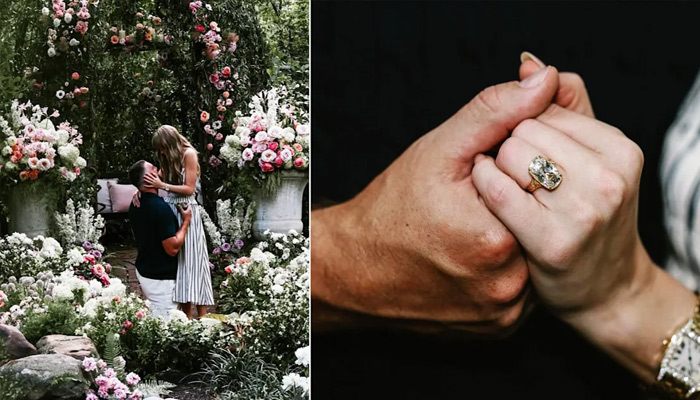
“I like shiny things, but I’d marry you with paper rings,” Taylor Swift once sang.
But the ring she received from beau Travis Kelce is anything but simple. Her supersized old mine brilliant-cut diamond—estimated by experts to be worth over ₹4 crore—has left fans swooning.
Swifties are thrilled to learn Kelce co-designed the piece with an independent jeweller, while Indian fans are abuzz about its possible Indian connection. Yet, beyond romance, this ring has triggered what many call another “Swift Effect”—reshaping culture, markets, and consumer behaviour.
A natural diamond in a lab-grown era
Swift’s choice of a natural, antique stone comes at a time when lab-grown diamonds—cheaper, conflict-free, and marketed as sustainable—are eating into the traditional market. Confirmed by her publicist Tree Paine as an old mine brilliant cut, experts say its softer sparkle comes from being hand-cut centuries ago, not machine-made. Garret Weldon, president of the Irish Antique Dealers Association, described it as “the Holy Grail in this business… one of the rarest stones you can get.”
Economy creators online have seized the moment. “Taylor Swift has given [the natural diamond market] the world’s biggest marketing campaign for free,” says business influencer Tvisha Tuli in a viral Reel. Max Rosenblum, another commentator, calls it a “masterstroke in the industry’s proxy war against its existential threat—lab-grown diamonds,” noting that Swift reframed value from perfection to history, romance, and provenance.
Stocks sparkle too
Markets reacted instantly. Shares of Signet Jewelers and Brilliant Earth jumped within hours of the announcement. Analysts credit Swift with single-handedly sparking new interest in natural stones, even as the wider industry struggles. Rough diamond prices have fallen 30% over the past three years, according to the Zimnisky Index, while lab-grown stones—often 80% cheaper—have surged in adoption, making up over half of US engagement rings today. De Beers even shut down its Lightbox lab-grown brand earlier this year.
The bigger ‘Swiftonomics’ picture
This cultural-economic ripple is nothing new. Swift’s Eras Tour added $2.2 billion to the global economy, boosted GDP figures, and even created measurable labour spikes. Her cultural footprint is now so vast that Harvard offers courses on her.
Industry weighs in
Not everyone sees her ring as a market-changer. “One celebrity ring alone won’t reverse the larger consumer shift,” says Disha Shah, founder of DiAi Designs. Others, like Anand Lukhi of Lukson Jewels, stress that younger buyers prioritise sustainability and price—though the true eco-benefits of lab-grown stones remain debatable, given their heavy energy use.
For jewellers like Adeesh Nahar of Rosa Amoris, however, Swift’s choice underscores the enduring appeal of natural diamonds: “A natural diamond carries permanence and emotion—qualities that can’t be replicated in a lab. Seeing someone they admire, like Taylor Swift, choose that can shift perspectives.”
Comments are closed.