
The Biggest Health and Wellness Trends to Watch in 2026
As 2026 unfolds, the world of health and fitness is embracing a dynamic blend of cutting-edge technology and time-tested wellness practices. From smart wearables to holistic routines

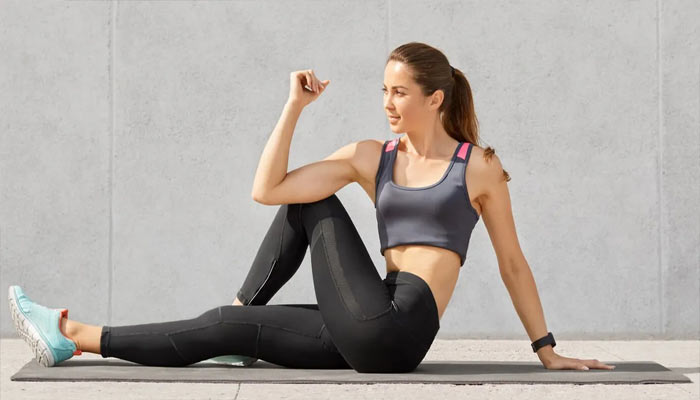
Top Health and Fitness Trends Shaping 2026.
As we move into 2026, health and fitness trends are defined by a blend of technological innovation and traditional wellness practices. While new tools offer unprecedented insights into well-being, experts emphasize caution and balance. Here’s a closer look at the trends set to shape the year:
1. AI Wearables: Benefits and Risks
AI-powered wearables continue to dominate the fitness landscape, marketed as essential for preventive health. They can be particularly valuable for patients with chronic illnesses or individuals in remote areas, with medical alert bracelets providing timely assistance in emergencies. However, reports from the WHO and NIH caution against constant health monitoring, warning that overtracking can lead to anxiety, stress, and misinterpretation of data. In India, the ICMR highlights privacy concerns and the mental strain associated with continuous monitoring.
2. Mental Health Exercises
Mindfulness, yoga, and breathing techniques are gaining global popularity, aided by digital platforms. Yet, studies suggest that delivery method matters—screen-based guidance can reduce their effectiveness by disrupting brain hormones and diminishing mood regulation. Traditional, screen-free approaches remain the most beneficial for mental wellness.
3. Screen Detox Programmes
Excessive screen time, particularly among children who spend up to eight hours daily on devices, is linked to poor sleep, obesity, and heightened anxiety. The ICMR reports rising digital addiction in teens, whose developing brains are especially vulnerable to emotional and cognitive stress from prolonged virtual exposure. Screen detox programmes are increasingly recommended to protect mental and physical health.
4. Personalized Nutrition Powered by AI
AI-driven diet apps offer personalized nutrition advice, tailoring meal plans based on body type, lifestyle, and environment. While these tools are useful, their reliability is limited by unverified online data and lack of regulation. Nutritionists emphasize that professional guidance is still critical for accurate, individualized dietary planning.
5. Hybrid Fitness Models
Post-pandemic, hybrid fitness—combining online classes with in-person gym sessions—is thriving. This model offers flexibility, allowing individuals to exercise anytime, whether at home or at the gym. By accommodating busy schedules, hybrid fitness makes staying active more accessible while balancing other commitments.
6. Sleep Fitness: Tracking vs. Hygiene
Sleep tracking apps, marketed as part of the “sleep fitness” trend, are growing in popularity. However, research suggests that constant monitoring is not essential for better sleep. NIH studies link quality sleep to heart health, while WHO and ICMR caution that overtracking can worsen insomnia. Experts recommend focusing on proper sleep hygiene and lifestyle changes rather than relying solely on gadgets.
The Bottom Line for 2026
Health and fitness in 2026 are about balancing innovation with caution. While AI wearables and digital tools offer convenience, they come with risks. Traditional approaches—mental health exercises, yoga, screen detox, and proper lifestyle habits—remain crucial. Hybrid fitness and personalized nutrition bridge technology and tradition, emphasizing sustainable, mindful practices over constant monitoring.
Comments are closed.