
Trump-Backed Legislation Threatens 500% Tariffs on India, China, Brazil Over Russian Oil

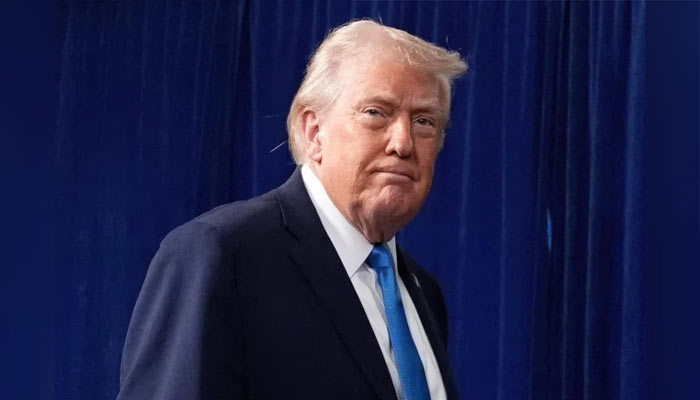
Trump-Backed US Bill Could Hit India With 500% Tariffs Over Russian Oil.
India and China could face tariffs of up to 500% as early as next week, after President Donald Trump approved a bipartisan sanctions bill aimed at countries that continue to purchase oil from Russia.
The legislation, sponsored by Republican Senator Lindsey Graham and Democratic Senator Richard Blumenthal, would also target nations buying Russian uranium, and could provide Trump “tremendous leverage” over countries like India, China, and Brazil. The goal, Graham said, is to stop discounted Russian oil sales that fund President Vladimir Putin’s war in Ukraine.
“This will allow President Trump to punish countries buying cheap Russian oil that fuels Putin’s war machine,” Graham said on X, adding that the bill could go to a vote as soon as next week.
The legislation also proposes banning US energy exports to Russia and blocking investments in Russian energy. Senate and House leaders have delayed the vote, with Trump signaling a preference for targeting imports from India, the world’s second-largest buyer of Russian oil after China.
Last year, Trump had escalated his tariff campaign, imposing a 25% reciprocal tariff on Indian imports along with an additional 25% penalty for buying Russian oil, pushing some duties to 50%. This move strained US-India trade relations.
Tensions with China have also flared, with Washington imposing tariffs of up to 145% on Chinese goods, prompting Beijing to retaliate with 125% duties on American products.
Trump has repeatedly hinted at fresh tariffs on India over continued Russian oil purchases. Speaking to reporters recently, he said, “PM Modi’s a very good man… They do trade, and we can raise tariffs on them very quickly.”
Late last month, Trump also threatened additional tariffs on Indian rice after concerns about dumping at a White House roundtable.
While talks between India and the US to resolve the tariff disputes have stalled, New Delhi remains firm on protecting its agricultural and dairy sectors, even as Washington pressures for concessions.
Comments are closed.