

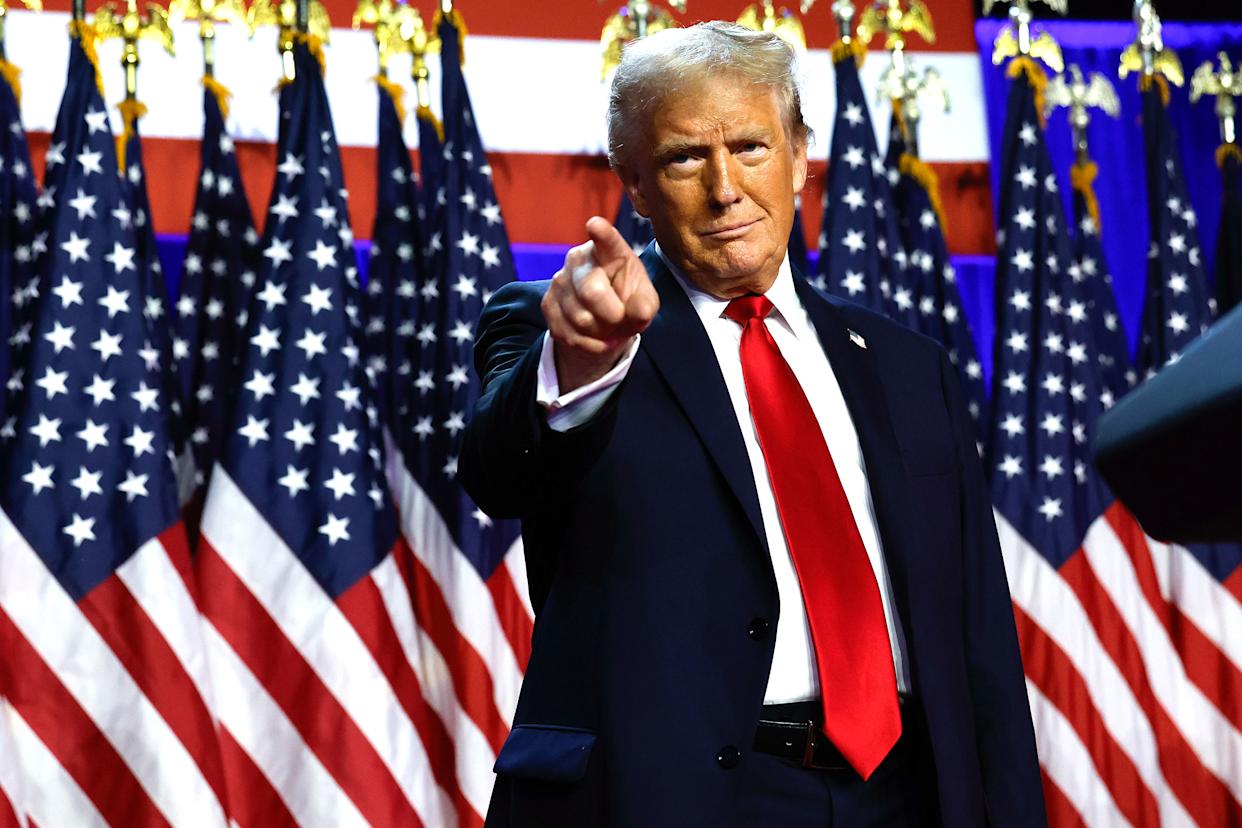
In a world increasingly defined by geopolitical conflict, peace has become both a rare and often politicized achievement. Few modern leaders have been as openly vocal about their desire for recognition in the realm of peace-making as former U.S. President Donald Trump. Over the years, Trump has expressed public frustration over being overlooked for the Nobel Peace Prize, despite his administration’s efforts in conflict-ridden regions like the Middle East and the Korean Peninsula.
Now, in an unexpected twist, support for Trump’s peace credentials has emerged from a somewhat surprising corner of the world: Pakistan.
Pakistan Enters the Picture
Reports suggest that a faction of political voices in Pakistan has praised Trump’s role in reducing U.S. involvement in overseas wars, and specifically acknowledged his administration’s push for peace negotiations in Afghanistan and efforts to mediate Middle East tensions. Some right-wing commentators and pro-Trump social media voices in Pakistan have gone as far as to suggest that Trump deserved the Nobel Peace Prize more than some past recipients.
This sentiment may be rooted in Trump’s non-interventionist foreign policy, his role in the Abraham Accords, and the decision to begin the U.S. military withdrawal from Afghanistan—moves that were perceived by some in the region as steps toward stability, even if controversial in execution.
Trump’s Long Quest for Nobel Recognition
Donald Trump has repeatedly highlighted his administration’s achievements in brokering peace deals, especially the Abraham Accords, which normalized diplomatic relations between Israel and several Arab nations. Despite these efforts, he has never been awarded the Nobel Peace Prize—something he has publicly lamented, sometimes comparing himself to past recipients like Barack Obama, who won the award in 2009.
In 2020, a Norwegian lawmaker nominated Trump for the Nobel Peace Prize citing the Abraham Accords. However, the nomination did not progress, and Trump has since made his perceived snub part of his broader political narrative.
The Politics of Peace
While Trump’s foreign policy has been polarizing, his administration undeniably took unconventional approaches to diplomacy—from face-to-face meetings with North Korean leader Kim Jong-un to strategic, if abrupt, troop withdrawals.
Support from quarters like Pakistan—where U.S. presidents are often viewed with skepticism—reflects the complex international perception of Trump’s presidency. It also highlights how global approval (or disapproval) of leaders isn’t always aligned with Western media narratives or institutional recognitions like the Nobel.
Donald Trump’s continuing quest for a Nobel Peace Prize is not just about personal recognition—it’s part of a broader conversation on how peace is defined, awarded, and remembered. Whether or not he ever receives the honor, the very fact that his efforts are debated globally, even in countries like Pakistan, underscores his enduring influence—and the deeply political nature of global peace awards.
Comments are closed.