
UN Warns Global Warming Could Reach 2.6°C Despite Countries’ Climate Commitments

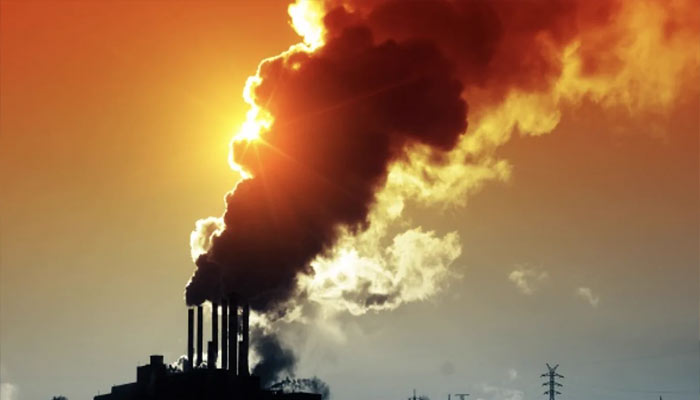
UNEP Warns Global Temperatures Could Rise 2.6°C by 2100 Despite Climate Pledges
The world could face a temperature increase of 2.6°C above pre-industrial levels by the end of this century, even if countries fully implement their existing climate commitments, according to the United Nations Environment Programme (UNEP). The warning was issued in the organisation’s latest Emissions Gap Report, released on Wednesday, highlighting the growing gap between climate promises and the action required to tackle global warming.
The report estimates that global temperatures could rise by as much as 2.8°C by 2100 if governments continue with their existing policies. Such an increase would significantly exceed the temperature limits established under the 2015 Paris Agreement.
The findings come ahead of the COP31 climate summit, scheduled to be held in Antalya, Turkey, from November 9 to 20. The meeting is expected to put renewed pressure on governments to strengthen their climate targets and implement more effective measures to reduce greenhouse gas emissions.
Paris Agreement Goals Face Mounting Challenges
The Paris Agreement seeks to keep global warming well below 2°C above pre-industrial levels while making every possible effort to limit the increase to 1.5°C. However, UNEP’s latest assessment suggests that current national commitments are insufficient to meet either objective.
According to the report, temporarily exceeding the 1.5°C threshold can no longer be avoided. The priority now is to reduce emissions rapidly to minimise how far temperatures rise beyond this limit and how long they remain elevated.
United Nations Secretary-General António Guterres warned that the consequences of climate change are already evident worldwide. Deadly floods, severe heatwaves, wildfires, loss of life and economic disruption are becoming increasingly significant concerns.
Guterres also drew attention to the unequal burden of climate change, explaining that vulnerable populations and countries responsible for relatively small shares of global emissions often suffer some of its most severe consequences.
Global Greenhouse Gas Emissions Remain Elevated
UNEP’s report indicates that worldwide greenhouse gas emissions in 2025 remained close to the record levels recorded in 2024. Emissions associated with coal, oil and natural gas consumption also registered a slight increase during the year.
The findings highlight the substantial reductions needed to bring global warming under control. Under existing policies, temperatures could rise by 2.8°C by the end of the century. Even if countries fulfil their latest climate pledges in full, the projected increase would remain around 2.6°C.
The assessment underscores the importance of moving beyond long-term climate announcements. Governments must introduce practical policies capable of delivering immediate, sustained and measurable reductions in greenhouse gas emissions.
US Emissions Increase as India and EU Report Declines
Preliminary estimates for 2025 show that greenhouse gas emissions increased in the United States, China and Indonesia. In contrast, India, Russia and the European Union recorded declines among the six largest emitters.
The United States registered an estimated increase of 133 million tonnes of carbon dioxide equivalent, the largest rise among the countries assessed. Increased electricity demand and a resurgence in coal-fired power generation were identified as contributing factors.
Anne Olhoff, a co-author of the UNEP report, said the latest projections for global warming were less favourable than those presented in the previous year’s assessment. Changes in historical emissions estimates and the United States’ formal withdrawal from the Paris Agreement were among the factors contributing to the revised outlook.
The report also highlights the importance of the G20, whose members collectively account for approximately three-quarters of global greenhouse gas emissions. Their policies and commitments will therefore play a crucial role in determining the effectiveness of international climate action.
UNEP Executive Director Inger Andersen emphasised that climate change affects every country, with its consequences increasingly visible across different regions of the world.
Deep Emissions Cuts Needed to Bring Warming Under Control
Despite the concerning projections, UNEP has outlined a potential pathway for limiting global warming and bringing temperatures back to 1.5°C by the end of the century.
Under the report’s lowest-overshoot scenario, global temperatures would peak at approximately 1.7°C to 1.8°C above pre-industrial levels around the middle of the century before gradually declining towards 1.5°C by 2100. This pathway offers approximately a 50% chance of returning to the 1.5°C level by the end of the century.
Achieving this outcome would require immediate and substantial emissions reductions, along with large-scale efforts to remove carbon dioxide from the atmosphere and store it permanently.
UNEP estimates that global greenhouse gas emissions would need to fall by 18% from 2025 levels by 2030 and by 45% by 2035 to support this pathway. Existing national climate plans remain significantly short of these requirements.
Experts have urged governments to speed up the transition away from fossil fuels, expand clean electricity generation, improve energy efficiency and strengthen the protection of forests and other natural ecosystems that absorb carbon dioxide.
COP31 Expected to Intensify Calls for Stronger Climate Commitments
The report’s findings are likely to influence discussions at COP31, where governments will face calls to bring their national climate policies in line with the emissions reductions required to limit global warming.
Developing countries that are particularly vulnerable to climate change have repeatedly called on major emitters to take stronger action and provide adequate financial and technological support. The difference between announced climate commitments and actual progress is expected to remain a key issue at the summit.
Although keeping global warming within 1.5°C has become increasingly difficult without temporarily exceeding the threshold, UNEP maintains that stronger action can still reduce the severity of climate-related risks.
The report delivers a clear message: every fraction of a degree matters. Accelerating emissions reductions could limit temperature increases, lower the risks of extreme weather events and improve the chances of bringing global temperatures back towards safer levels by the end of the century.
Comments are closed.