
United Nations Leadership Hopefuls Pledge Reform, Recommit to Core Principles

Candidates vying to lead the United Nations have pledged sweeping reforms while reaffirming.
The body’s core principles of peacekeeping and global development, as the race to succeed António Guterres gathers pace. Four contenders are currently in the fray for the top post, with the next secretary-general set to take office early next year. The winner will inherit an organisation grappling with declining influence and mounting questions over its effectiveness in a rapidly shifting global order.
During extensive hearings with member states and civil society, all candidates emphasised the urgent need to modernise the 80-year-old institution, even as they stressed the importance of preserving its foundational values.
Pressure to Reform
The 193-member UN is facing increasing pressure to cut costs, improve efficiency, and prove its relevance—particularly at a time when actions by major powers have strained long-standing norms of the post-war international system.
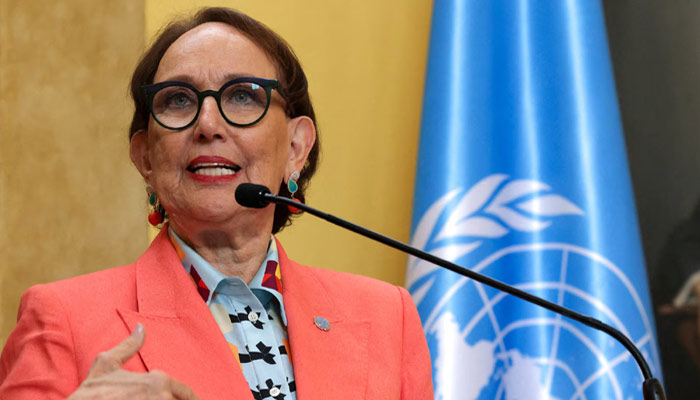
Former Costa Rican vice president Rebeca Grynspan underscored the urgency of rebuilding trust, warning that confidence in the UN is eroding.
“To defend the United Nations today is to have the courage to change it,” said Grynspan, who currently heads the United Nations Conference on Trade and Development. She identified peacemaking as her top priority.
Former Senegal president Macky Sall also backed reform, calling for tighter management and better coordination across UN agencies.
“Now is the time to do better with less,” Sall said, outlining his vision for a more streamlined and effective organisation.
A Smaller, Diverse Field
The candidates are competing for a five-year term, renewable once. The field is currently smaller than in 2016, when Guterres emerged from a pool of 13 contenders, though additional candidates could still enter the race.
Grynspan and Chile’s former president Michelle Bachelet are aiming to become the first woman to lead the UN in its history. Bachelet, during her hearing, highlighted her commitment to women’s rights—an issue that has also drawn criticism from some conservative lawmakers in the United States.
Also in contention is Argentina’s Rafael Grossi, who currently heads the UN’s nuclear watchdog. He acknowledged that reform efforts are underway but said they must go further.
Selection Dynamics
Traditionally, the role of secretary-general rotates among regions, with Latin America widely seen as next in line—though there is no formal provision for this in the UN Charter.
While candidates cannot come from the five permanent members of the United Nations Security Council—the United States, Russia, China, France, and the United Kingdom—their backing remains critical in what is often a complex and opaque selection process.
Comments are closed.