

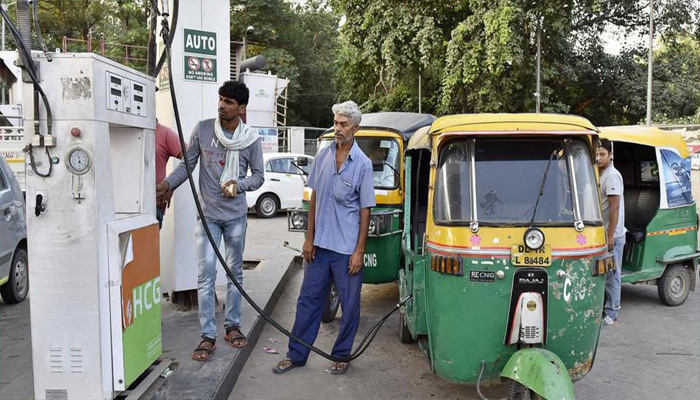
Torrent Gas has increased compressed natural gas (CNG) prices by ₹2.50 per kg, adding to cost pressures for commuters and transport operators.
The revised rates took effect immediately, with the company citing rising input costs and broader energy market trends.
Auto drivers feel the squeeze
The hike has sparked concern among auto-rickshaw drivers and small transport operators who rely heavily on CNG. With fares yet to be revised, many say their earnings are being squeezed.
Drivers report shrinking margins, forcing them to work longer hours just to maintain basic income levels. “Fuel costs have gone up, but earnings remain the same. We’re left with no option but to drive longer,” an auto driver said.
Commuters brace for impact
While there has been no official fare revision so far, commuters fear that continued fuel price hikes could soon translate into higher travel costs. Even small increases can disrupt monthly budgets for daily passengers.
Broader fuel price pressure
The CNG hike comes amid a wider trend of rising fuel prices by private retailers. Shell India recently raised petrol and diesel prices on April 1, following a similar move by Nayara Energy, as elevated crude oil prices continue to pressure margins.
In Bengaluru, Shell’s petrol prices have climbed to ₹119.85 per litre for the standard variant and ₹129.85 for premium fuel, with rates varying across cities due to local taxes.
Earlier, Nayara Energy increased petrol prices by ₹5 per litre and diesel by ₹3 per litre. Petrol at its outlets now costs ₹100.71 per litre, while diesel is priced at ₹91.31 per litre.
Meanwhile, state-run fuel retailers—who control nearly 90% of the market—have kept prices unchanged. In Delhi, petrol continues to be sold at ₹94.77 per litre and diesel at ₹87.67 per litre.
Pressure on affordable transport
With both CNG and conventional fuels becoming costlier, concerns are growing over the affordability of daily transport. While operators are absorbing the impact for now, calls for fare revisions and relief measures are likely to intensify if the trend persists.
Comments are closed.