
Iran’s Supreme Leader Mojtaba Khamenei has suffered severe facial burns and may require plastic surgery, according to reports

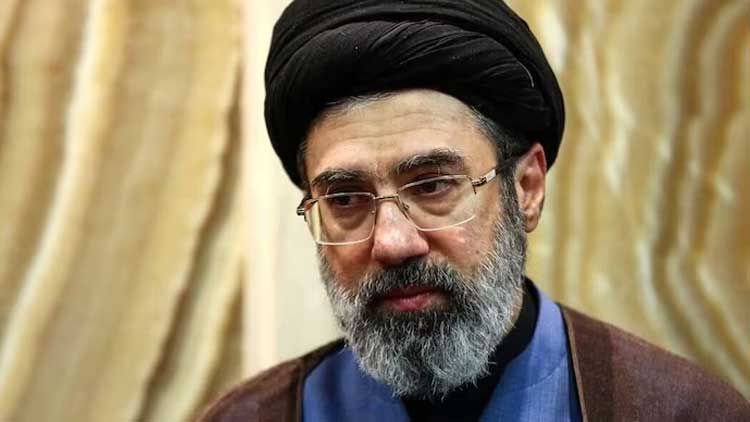
Iran’s supreme leader remains alive and mentally alert but has largely withdrawn from public view, with authority increasingly shifting to military commanders, according to a detailed report.
A report by The New York Times says Mojtaba Khamenei—who assumed leadership after his father’s death—has suffered serious injuries and is operating from a secure, undisclosed location with limited communication.
While officials say he is “mentally sharp and engaged,” his physical condition is severe. He has undergone multiple surgeries on a leg and hand, is awaiting a prosthetic, and has sustained significant facial burns that have made speaking difficult.
These injuries have reshaped how leadership functions. Khamenei has avoided public appearances or speeches to prevent appearing vulnerable. Instead, communication is carried out through handwritten messages delivered via intermediaries, with even senior officials avoiding direct contact due to security concerns.
Power shifts to military leadership
With access to the supreme leader restricted, decision-making has increasingly moved to commanders of the Islamic Revolutionary Guard Corps.
Former adviser Abdolreza Davari described the system as resembling a boardroom, with Khamenei as a figurehead and generals collectively making key decisions. Analysts, including Sanam Vakil, say he is currently presented with decisions rather than driving them.
Civilian leadership sidelined
The shift has also reduced the influence of civilian leaders such as President Masoud Pezeshkian and Foreign Minister Abbas Araghchi, who are now largely focused on domestic affairs.
This power realignment has affected diplomacy as well. Planned talks with the United States collapsed after military leaders opposed negotiations during heightened tensions, including a US naval blockade.
System intact but transformed
Despite claims by Donald Trump that the conflict could lead to regime change, the report suggests Iran’s political system remains intact—though significantly altered.
Power has shifted from a single dominant authority to a more collective, military-driven structure. Public leadership has given way to secrecy, and centralized control has evolved into a more distributed model under pressure.
Comments are closed.