
Jaishankar Reacts to US Plan to Tax Top Russian Oil Buyers: ‘Will Cross That Bridge When We Come to It’

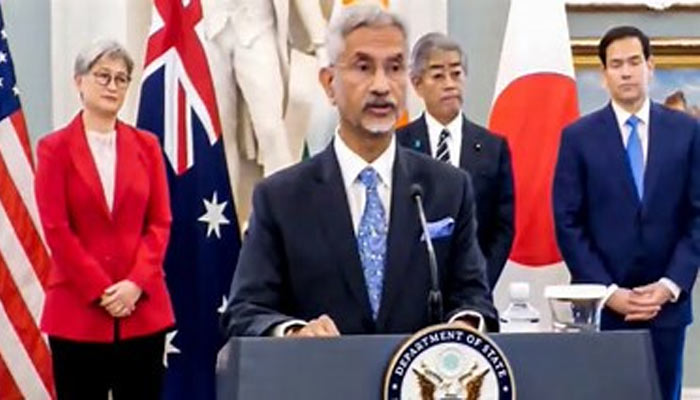
Jaishankar Responds to US Tariff Threat on Russian Oil Trade: ‘Will Cross That Bridge When We Come to It’.
External Affairs Minister S. Jaishankar has addressed growing concerns over a proposed US bill that seeks to impose a staggering 500% tariff on imports from countries continuing oil trade with Russia — including India. Speaking in Washington during his four-day visit to the United States, Jaishankar said India is aware of the bill’s potential implications and has already conveyed its energy security concerns to US lawmakers.
The proposed legislation, introduced by Republican Senator Lindsey Graham and backed by former President Donald Trump, targets top importers of Russian oil. Graham explicitly named India and China, claiming they account for 70% of Russia’s oil sales. The bill is part of an aggressive push to increase pressure on Moscow over the ongoing war in Ukraine.
“We’ve expressed our concerns and interests regarding energy security to him [Senator Graham],” Jaishankar said during a press briefing. “We’ll cross that bridge when we come to it, if we come to it.”
What Does the Bill Propose?
The bill, if passed, would allow the US government to impose a 500% tariff on imports from countries that maintain energy trade with Russia. It’s a move meant to disrupt global markets that continue supporting Russian oil revenues despite Western sanctions.
What It Means for India
India, which sources nearly 40–45% of its crude oil from Russia, could be significantly affected. In May 2025, India’s Russian oil imports hit a 10-month high of 1.96 million barrels per day, far exceeding imports from traditional West Asian suppliers. Indian refiners have benefited from discounted Russian crude since the West’s sanctions began in 2022.
If the bill is enacted, Indian exports to the US could be subjected to crushing import duties. However, India and the US are currently negotiating a trade agreement that could reduce existing tariffs, including a reciprocal 26% tariff announced by Trump earlier in April.
India Watching Developments Closely
Jaishankar noted that the Indian Embassy and diplomatic channels are actively engaging with US lawmakers to stay ahead of the developments. The External Affairs Minister reiterated that India remains committed to energy security while keeping diplomatic channels open amid rising geopolitical pressures.
As India treads a delicate line between its strategic autonomy and international alignments, the outcome of this proposed bill could have lasting implications for its energy strategy and global trade partnerships.
Comments are closed.