
26/11 Accused Tahawwur Rana Identified Himself as Pakistan Army’s ‘Trusted Agent’: NIA

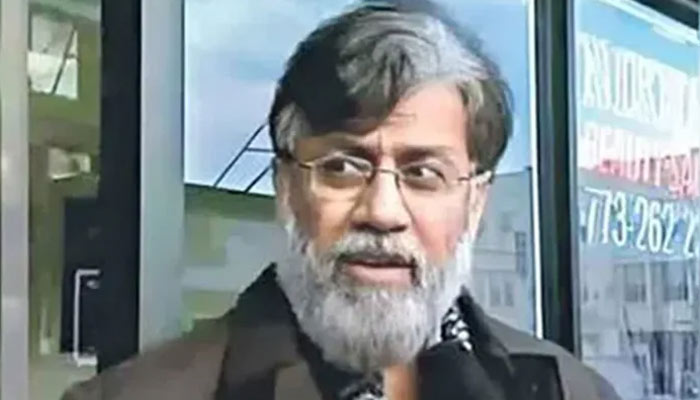
Tahawwur Rana Told Mumbai Police He Was a ‘Trusted Agent’ of Pakistan Army, Confirms Presence During 26/11 Attacks
Tahawwur Rana, the 26/11 Mumbai terror attack accused recently extradited from the United States, has reportedly made startling disclosures during his custodial interrogation. According to sources in the Mumbai Police Crime Branch, Rana claimed he was a “trusted agent” of the Pakistan Army and was present in Mumbai during the 2008 attacks.
Rana was extradited to India on April 10 after the U.S. Supreme Court rejected his final appeal against extradition just six days earlier. He is now standing trial in connection with the 2008 Mumbai attacks, in which 166 people were killed in a coordinated assault by Pakistani terrorists affiliated with Lashkar-e-Taiba (LeT).
Key Revelations During Custody
In his recorded statement to the Mumbai Crime Branch while in the custody of the National Investigation Agency (NIA), Rana admitted:
He was a long-time asset of the Pakistan Army and had worked in intelligence-linked assignments, including during the Gulf War when he was posted in Saudi Arabia. The Lashkar-e-Taiba was initially set up not just as a militant outfit but also as an espionage network.
His associate David Coleman Headley had conducted training sessions with LeT operatives and carried out extensive surveillance of targets in Mumbai ahead of the attacks. Rana himself carried out reconnaissance of multiple sites in the city and confirmed he was present in the vicinity during the attack on the Taj Mahal Palace Hotel on November 26, 2008.
Background and Legal Proceedings
David Headley, an LeT operative and U.S. national, was instrumental in scouting targets in Mumbai for the attacks. Headley is already serving a 35-year sentence in the U.S. for his role in the 26/11 plot.
According to the NIA, Rana facilitated Headley’s operations by helping him secure a visa under a false identity, enabling him to travel to India undetected. Rana is charged with conspiracy and providing material support to a foreign terrorist organization.
Last month, Delhi’s Patiala House Court extended Rana’s judicial custody until July 9. He appeared via video conference. The court also granted him permission to speak with his family once by phone, following a request routed through jail authorities and approved by the NIA.
The NIA continues to build its case based on fresh disclosures made during Rana’s interrogation. His cooperation — or lack thereof — is likely to play a key role in the progress of the long-delayed prosecution related to one of India’s deadliest terror attacks.
Comments are closed.