
Eating for Hormonal Health: Best and Worst Foods for Managing Fibroids

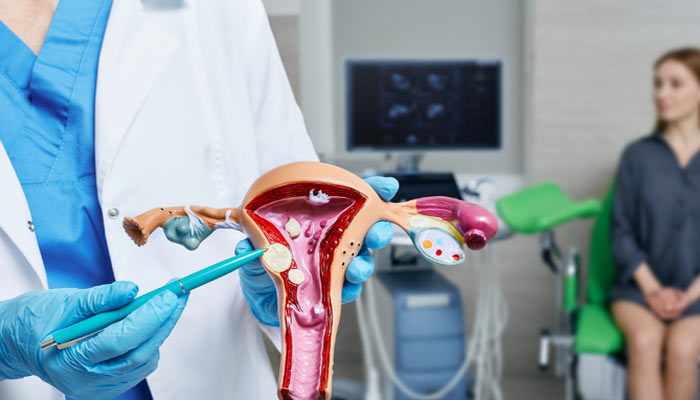
Eating for Hormonal Balance: How Your Diet Can Help Manage Fibroids Naturally.
Uterine fibroids — benign growths in the uterus — are incredibly common, yet they can bring with them a host of uncomfortable symptoms: heavy bleeding, pelvic pressure, bloating, and fatigue. While medical treatments are available, from medication to surgery, many health experts now emphasize the powerful role that food can play in managing fibroid symptoms and supporting overall hormonal health.
Why Your Diet Matters
“Fibroids thrive in conditions of estrogen dominance, poor liver detoxification, and chronic inflammation,” says Anushi Jain, nutritionist and founder of Nutri Maven. “A balanced, anti-inflammatory diet can help regulate hormones and reduce fibroid symptoms over time.”
Anshul Singh, Team Lead – Clinical Nutrition & Dietetics at Artemis Hospitals, agrees. “Food isn’t a cure for fibroids, but it can absolutely support hormone balance, help reduce inflammation, and potentially slow the growth of fibroids.”
What to Add to Your Diet
1. Cruciferous Vegetables
Broccoli, cauliflower, cabbage, and kale contain compounds like DIM (diindolylmethane) that support estrogen detoxification.
“These vegetables are hormone-balancing powerhouses,” says Jain. “They boost liver function and help reduce estrogen overload.”
2. Flaxseeds and Omega-3s
Flaxseeds are rich in lignans, which bind to excess estrogen and help reduce inflammation. Singh also recommends omega-3-rich sources like walnuts and fatty fish to naturally counteract inflammatory processes in the body.
3. Citrus Fruits and Berries
Vitamin C-rich citrus fruits and antioxidant-packed berries may help inhibit fibroid growth and improve blood circulation. “These fruits are more than just refreshing — they’re therapeutic,” notes Singh.
4. Whole Grains and Fiber
A high-fiber diet helps your body eliminate excess hormones. Think lentils, beans, oats, and brown rice.
“Fiber also supports gut health, which is closely linked to hormonal balance,” says Jain. For women experiencing heavy bleeding, Singh recommends adding iron-rich plant foods like spinach, chickpeas, and legumes to help prevent deficiency.
5. Turmeric
Curcumin, the active compound in turmeric, is a potent anti-inflammatory agent. “Adding turmeric regularly to your meals may support hormonal balance and inhibit fibroid growth,” Jain says.
Foods Best Avoided
1. Red and Processed Meats
These have been linked to increased estrogen levels and inflammation. “Avoiding red meat is especially important for women already diagnosed with fibroids,” says Singh.
2. Refined Sugar and Baked Goods
Sugary foods can spike insulin levels and disrupt hormones. “There’s a strong link between insulin resistance and fibroids,” Jain cautions. “Reducing sweets is key.”
3. Excessive Soy
Though soy in moderation may not be harmful, large quantities — especially in processed forms — can mimic estrogen. “If you’re estrogen-sensitive, be cautious,” says Jain.
4. Alcohol and Caffeine
Both strain the liver, which is essential for breaking down excess estrogen. “Too much of either can disrupt your hormone cycle and worsen fibroid symptoms,” Singh warns.
5. High-Sodium Foods
Too much salt can lead to bloating and fluid retention, which can intensify pelvic discomfort. Choose fresh, unprocessed foods whenever possible.
Final Thoughts
A fibroid-friendly diet isn’t about cutting everything out — it’s about choosing foods that nourish, heal, and support your body’s natural hormone balance.
“Every smart choice you make at the table contributes to better hormonal health,” Jain says. Singh adds that lifestyle factors like regular exercise and maintaining a healthy weight are equally important, as obesity is a known risk factor for fibroid growth.
So whether you’re dealing with fibroids or simply looking to support your body naturally, your plate can be a powerful tool — full of color, fiber, and anti-inflammatory goodness that works quietly in your favor.
Comments are closed.