
Japan Faces Up to 2,000 Quakes Annually—Here’s What Keeps the Country Prepared

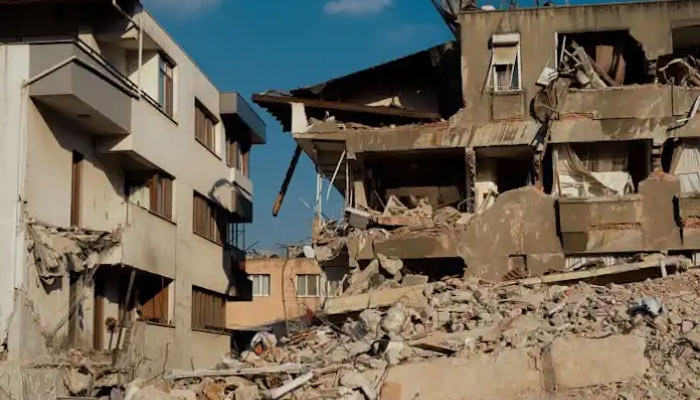
How Japan Manages 2,000 Earthquakes a Year with Minimal Damage.
Japan is the most earthquake-prone country in the world, experiencing between 1,500 and 2,000 tremors annually. Located along the Ring of Fire—a tectonically active zone that circles the Pacific Ocean—Japan faces constant seismic threats ranging from minor tremors to devastating quakes.
Yet, despite this high seismic activity, Japan has become a global leader in disaster preparedness, managing to reduce damage and loss of life through a combination of advanced technology, strict regulations, community awareness, and swift response mechanisms.
1. World-Class Earthquake Early Warning System
Japan’s Earthquake Early Warning (EEW) system, managed by the Japan Meteorological Agency (JMA), is one of the most sophisticated in the world. It detects primary seismic waves and sends alerts within seconds via mobile phones, TV, radio, and loudspeakers. This gives people precious moments to take cover.
Even infrastructure reacts in real time—bullet trains (Shinkansen), elevators, and factory machinery automatically halt operations to avoid injuries and damage.
2. Fast and Accurate Tsunami Alerts
Given the country’s long coastline and history of tsunami disasters, Japan also operates an extensive tsunami detection system. Underwater sensors and GPS buoys track sea level changes and seismic activity, enabling real-time risk assessments.
Tsunami warnings—including estimated wave height and arrival times—are broadcast instantly. Coastal communities have designated evacuation routes, and tall concrete seawalls—some up to 15 metres high—serve as barriers in high-risk zones.
3. Earthquake-Resistant Buildings
Strict building codes require all new structures to be earthquake-resilient. From base-isolated skyscrapers to flexible wooden homes, architecture across Japan is designed to absorb and dissipate seismic energy.
Older buildings are retrofitted with modern shock-absorbing technology, while infrastructure like bridges and roads are reinforced using seismic isolation techniques. This played a critical role during the 2011 Tōhoku earthquake, when Tokyo’s modern towers withstood a 9.0-magnitude quake with limited structural damage.
4. Nationwide Drills and Public Awareness
Preparedness is embedded in Japanese society. Schools, offices, and communities conduct regular earthquake and tsunami drills. September 1 is observed as Disaster Prevention Day across the nation, commemorating the Great Kanto Earthquake of 1923.
Emergency kits containing food, water, first aid supplies, and batteries are commonplace in homes. From childhood, citizens are trained in protocols like “Drop, Cover, and Hold On,” ensuring calm and effective action during emergencies.
5. Robust Scientific Research and Monitoring
Japan continuously invests in earthquake and tsunami research. GPS and satellite systems monitor tectonic movement, while supercomputers simulate earthquake and tsunami scenarios to improve evacuation strategies and building resilience.
This scientific foresight helps authorities make informed decisions, often ahead of disaster events, saving lives and minimising destruction.
6. Rapid Emergency Response
The Japanese government maintains highly coordinated disaster response units at both local and national levels. The Self-Defence Forces are frequently deployed for search-and-rescue missions.
Within hours of a disaster, emergency shelters are set up, medical aid is dispatched, and essential services are restored. Civil society plays an active role in recovery efforts, with communities and volunteers stepping in to support affected families.
7. Community Unity and Discipline
Perhaps Japan’s most underrated asset is its culture of social responsibility. During disasters, there’s little panic or chaos—people queue calmly, follow instructions, and help each other.
This cohesion was evident after the 2011 earthquake and tsunami, when communities came together to rebuild without looting or disorder—an example that drew global admiration.
Case in Point: July 30 Earthquake
On July 30, Japan was struck by another undersea earthquake. While it triggered tsunami waves of just 30–50 cm, early alerts, emergency protocols, and seawalls were quickly activated. Evacuation advisories were issued, and precautionary measures were taken at sensitive sites like the Fukushima nuclear plant. The result: zero casualties and no major damage—a testament to the country’s readiness.
Comments are closed.