
Supreme Court Issues Strict Guidelines to Ensure No Cruelty or Starvation in Delhi Stray Dog Order

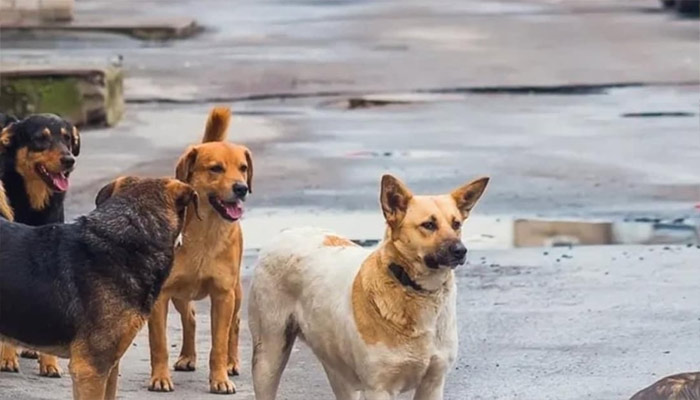
Supreme Court Issues Detailed Guidelines for Delhi Stray Dog Round-Up, Emphasises Welfare and Safety.
The Supreme Court on Wednesday released a detailed written order following its August 11 verdict on the stray dog issue in Delhi and the National Capital Region (NCR), specifying strict guidelines to protect captured animals from mistreatment, cruelty, starvation, or neglect.
The case, transferred to a three-judge bench led by Justice Vikram Nath, mandates that all stray dogs must be promptly housed in shelters, with no release back onto the streets. The court instructed authorities to prevent overcrowding, provide continuous care, and ensure trained veterinarians attend to medical needs. Vulnerable or weak animals are to be housed separately wherever possible.
Shelter facilities must maintain minimum staffing levels with at least two responsible personnel on duty at all times, proper record-keeping, and identification procedures for all captured animals. Any failure leading to a stray’s re-release may attract strict legal action.
The court also addressed public safety concerns, especially for children, the elderly, the visually impaired, and homeless individuals, while balancing animal welfare. Adoption schemes were authorised, but only after rigorous vetting according to the Animal Welfare Board of India’s Standard Protocol for Adoption of Community Animals (May 17, 2022), ensuring permanent rehoming without returning dogs to public areas.
The written order expanded the original directive, adding Faridabad to the shelter programme, and mandated a helpline for dog-bite complaints, requiring offending animals to be picked up within four hours. Authorities were warned that obstructing the capture programme could be treated as contempt of court.
The Supreme Court criticised existing Animal Birth Control rules that require sterilised animals to be returned to the same locality, questioning why dogs should be sent back to areas where they continue to pose risks.
By codifying welfare standards, operational protocols, and safety measures, the court aims to ensure the stray dog round-up protects both humans and animals while addressing long-standing public safety challenges.
The suo motu case originated after media reports of a child’s death from rabies following a dog bite, with the court citing alarming statistics on dog-bite incidents in vulnerable populations and noting decades of municipal inaction on the issue.
Comments are closed.