
Kamal Fan, Rajini Hero: Coolie Proves Superstar Appeals Across Camps

This review reveals some key moments from Coolie. If you haven’t watched the film yet, you may want to come back later—before you flip this tab faster than Rajinikanth flips a cigarette.
There isn’t a single Rajinikanth fan who hasn’t carried the heartbreak of his parting from Shobana in Mani Ratnam’s 1991 classic Thalapathi. The sun sets, Ilaiyaraaja’s violin theme pierces the soul, and Surya and Subbulakshmi walk away forever. Whether you saw it in theatres or years later on TV, that wound never truly healed.
Thirty-four years later, Coolie quietly gives that story the ending it never had. Throughout the film, Rajinikanth’s late wife is spoken of but never shown—until the closing moments, when he looks at a decades-old photograph. It’s Shobana. No caste barriers, no political divides—just a moment of closure for those who’ve been carrying the Thalapathi ache.
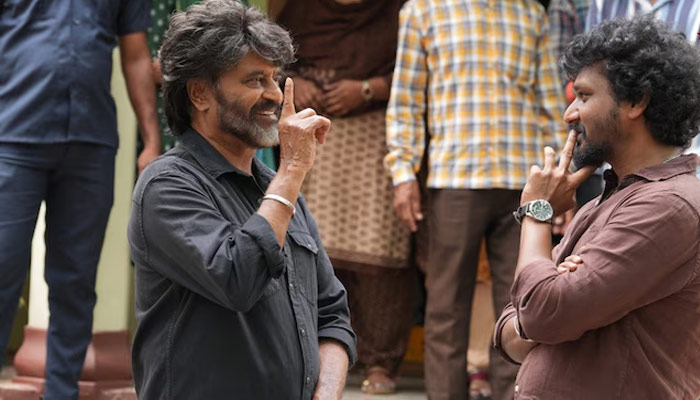
And here’s the twist: it took a die-hard Kamal Haasan fan to give Rajini fans that gift. Director Lokesh Kanagaraj, who openly calls Kamal his idol and gave him a career-defining Vikram, still wrote and staged this tender nod for Rajini. In Tamil cinema, fan camps often clash, but Rajini and Kamal have always been an exception—opposite in style and ideology, yet united by mutual respect. Lokesh stands as proof that admiration can cross fandom lines.
At the Coolie audio launch, Rajinikanth teased Lokesh about declaring his Kamal loyalty before narrating the script. “Na kettena? (Did I ask you?)” he quipped—a perfect addition to their shared lore.
The Rajini Padam Effect
A “Rajini padam” is its own genre. A flick of the cigarette, a raised collar, a single close-up that electrifies an entire theatre—these moments alone can turn a film into a blockbuster. Kamal films operate differently; his fans demand reinvention, often leaving his best work underappreciated until years later.
In Coolie, Lokesh nails the Rajini formula without reducing it to fan service. He lets Rajinikanth’s swagger and acting ability work together—balancing mass moments with emotional beats.
The opening scene—Rajini chopping meat for biryani in pure Thalaivar style—sets the tone. Within minutes comes his first intro song since Petta, “Chikitu Vibes”, where he dances with a joy that radiates straight into the audience.
One standout scene has him in a ladies’ hostel, giving self-defence tips while thrashing goons—a riot of comedy and action only someone who understands his rhythm could pull off.
The pre-interval block is pure Rajinikanth irony. His character warns a man against drinking, echoing his own anti-addiction stance, only to later drown grief in whisky—staged with flair as he dances to “Disco Disco” from Thangamagan, seamlessly blending into Anirudh’s remix. It’s not a shocking twist, but a celebration.
The flashback portions—featuring a de-aged Rajini—are built for theatre euphoria. When he revives his iconic “seeviduven” gesture, the crowd reaction says it all.
Rajinikanth Belongs to Everyone
Coolie may not be Lokesh’s sharpest film, but it delivers what matters most: Thalaivar at his best. Unlike Jailer, where mass moments sometimes felt stitched together for social media, here they’re woven into a coherent arc. The cigarette flip, the whisky swig, the sleeve roll—they land with intent, balanced by charm and gravitas.
Fans expecting another Kaithi or Vikram might find the writing less layered. But the joy lies in watching a Kamal devotee get the beats of a Rajini film right, proving that in Tamil cinema, you don’t have to choose sides. You can be both.
Because whether you agree with Rajinikanth off-screen or not, on-screen he’s irresistible. And in Coolie, Lokesh Kanagaraj reminds us exactly why.
Comments are closed.