
Opposition-ruled states press for revenue safeguard at GST Council meeting: Sources

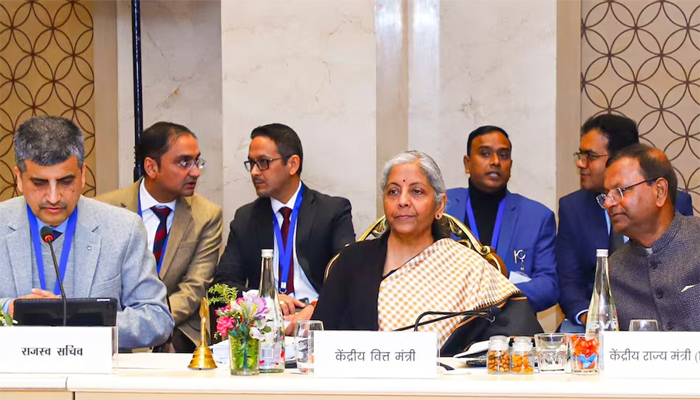
Opposition-ruled states are pushing for revenue protection and consumer safeguards as the 56th GST Council meeting got underway on Wednesday, sources said.
The proposed overhaul, which seeks to streamline GST into two slabs — 5% and 18% — could make essentials and electronics cheaper, while raising taxes on luxury items.
These states have demanded clear safeguards to ensure companies pass on the benefits of lower rates to consumers and are pressing for a firm compensation plan to offset potential revenue shortfalls. Some BJP-ruled states have raised similar concerns, warning of losses under the new structure.
The issue is critical as the Centre’s original five-year compensation mechanism, funded by a cess on luxury and sin goods, expired in June 2022. Opposition states now want assurances that additional levies, including the proposed 40% tax on luxury goods, flow directly into state coffers.
Experts warn the impact will vary. Consumption-driven states may gain from higher demand, but debt-stressed states like Punjab, Bihar, and West Bengal could face acute strain. Former Finance Secretary Subhash Chandra Garg cautioned that losses may reach up to ₹2 lakh crore if compensation is not extended, making this round of talks especially contentious.
Pratik Jain, Partner at PwC India, said the reforms could be rolled out within days. “Lower rates will spur consumption, but managing state finances will be the real challenge,” he noted.
With both consumer relief and fiscal stability at stake, the GST Council’s decision is being watched closely across the country.
Comments are closed.