
Rising Dust and Sandstorms Signal Another Alarming Shift in the Climate

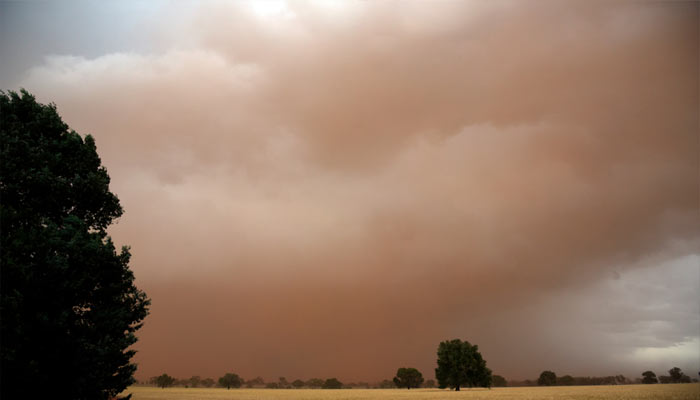
Dust and sandstorms have long been a natural part of weather patterns in many dry and semi-arid regions.
But growing concern over their frequency, intensity and reach is drawing attention to the ways a warming planet, changing rainfall patterns and land degradation may be altering the conditions that trigger them.
From the Middle East and North Africa to Asia and the Americas, major dust events can disrupt transportation, reduce visibility, affect infrastructure and sharply deteriorate air quality. While climate change cannot be blamed for every individual storm, scientists point to several climate and environmental factors that can increase vulnerability to severe dust events.
How a Warming Climate Can Increase Dust Risk
One of the biggest factors is prolonged dryness. Rising temperatures can increase evaporation and contribute to soil moisture loss, while shifts in rainfall patterns can produce longer or more intense dry periods in some regions.
When soil becomes dry and vegetation cover declines, more loose material is left exposed. Strong winds can then lift this material into the atmosphere, creating large dust plumes.
Changes in wind patterns can further influence the movement of dust. Once airborne, fine particles can travel hundreds or even thousands of kilometres, crossing borders and reaching areas far from the original source.
Beyond Visibility and Transport Disruptions
The effects of major dust storms extend well beyond temporary inconvenience.
Fine airborne particles can significantly worsen air quality and pose risks to people with respiratory and cardiovascular problems. Heavy dust can also disrupt aviation, road and rail networks, damage equipment and affect outdoor activities.
Agriculture can be affected when dust settles on crops and reduces their ability to receive sunlight. Dust deposited in rivers, lakes and other water bodies can also alter local ecosystems.
There is another important dimension: dust itself can interact with the climate. Atmospheric particles can scatter or absorb sunlight and influence cloud formation, potentially affecting regional temperatures and weather conditions.
Human Activity Can Make Conditions Worse
Climate change is not the only factor behind rising dust risks. Human activity can leave landscapes more exposed to erosion.
Deforestation, overgrazing, intensive agriculture, unsustainable irrigation and poor land management can reduce vegetation and weaken soil stability. Urban expansion and prolonged water stress can add further pressure in vulnerable areas.
Maintaining healthy vegetation is therefore an important part of reducing dust exposure. Vegetation helps anchor soil, retain moisture and limit the amount of loose material available to strong winds.
Why Every Storm Cannot Be Linked to Climate Change
Dust storms have occurred for thousands of years, and individual events are driven by a combination of local weather, geography, soil conditions and wind patterns. It would therefore be inaccurate to attribute every severe storm directly to global warming.
The broader concern is about changing background conditions. Increasing heat, shifting rainfall, more frequent drought in some regions and continued land degradation can create an environment in which severe dust events become more likely or more damaging.
Preparing for a Growing Risk
For communities already exposed to dust storms, adaptation is becoming increasingly important. Better forecasting, real-time air-quality monitoring and effective early-warning systems can help people and authorities prepare before major events arrive.
Long-term measures such as restoring degraded land, protecting vegetation, improving soil and water management and developing climate-resilient infrastructure can also reduce vulnerability.
Dust and sandstorms are therefore more than dramatic weather events. Their changing patterns offer another reminder that climate change can influence the conditions that shape everyday weather, with consequences extending from public health and transport to agriculture, ecosystems and local economies.
Comments are closed.