
Inside Greenland: The World’s Largest Island, 80% Buried Under Ice With No Road Links Between Towns

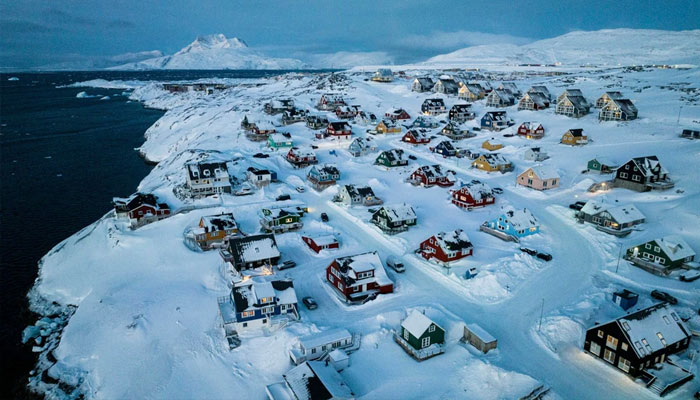
Greenland: 80% Covered in Ice, No Roads Between Towns and Just 56,000 Residents — Discover the World’s Largest Island
Greenland is one of the world’s most remote and extraordinary destinations, known for its enormous ice sheet, dramatic fjords, colourful settlements and unique Arctic way of life. Despite being the world’s largest island, it has a tiny population and an unusual transport system in which boats and aircraft play a vital role.
From its Viking-inspired name to its ancient Inuit traditions, Greenland offers a fascinating mix of natural wonders, history and adventure. Here are some remarkable facts about this vast Arctic territory.
A Vast Island With a Small Population
Greenland stretches across an enormous area comparable to much of Western Europe. Despite its size, its population is only around 56,000, making it one of the least densely populated places on Earth.
Approximately 80% of the island is covered by an immense ice sheet, which reaches thicknesses of more than three kilometres in certain areas. The remaining ice-free land includes rugged mountains, rocky coastlines, tundra and deep fjords.
The island’s harsh climate and challenging terrain have shaped settlement patterns, leaving most communities concentrated along the coast. For travellers seeking spectacular landscapes and a sense of isolation, Greenland offers an experience unlike that of most conventional holiday destinations.
Why Greenland Has No Roads Connecting Its Towns
One of Greenland’s most unusual features is its lack of road connections between towns and settlements. Vast ice fields, mountains and fjords make conventional road construction difficult and expensive.
Instead of travelling between communities by car, residents commonly rely on boats, coastal ferries, aircraft and helicopters. Snowmobiles and traditional dog sleds are also important in certain regions during winter.
Although local roads exist within individual towns, there is no nationwide road network linking them. This makes transport planning essential for anyone exploring the island.
International travel also requires careful preparation. Flights operate through gateways including Copenhagen in Denmark and Reykjavík in Iceland, although routes and connections vary by season and airline. Travellers should check current schedules before planning a trip.
Why Is an Ice-Covered Island Called Greenland?
The name Greenland is commonly associated with the Norse explorer Erik the Red, who is said to have used it when encouraging people to settle there around the late 10th century.
Although much of the island is covered by ice, the name has endured for centuries. Its Indigenous inhabitants call their homeland Kalaallit Nunaat, meaning the Land of the Greenlanders.
Greenland’s cultural identity reflects a rich Inuit heritage alongside Nordic influences. Traditional hunting, fishing, handicrafts and community practices remain important in many areas.
Greenlandic sled dogs are particularly significant to Arctic life. Special rules govern where these dogs may be kept and which breeds can enter designated sled-dog regions, helping preserve traditional working-dog populations.
The kayak, known in Greenlandic as qajaq, also has deep roots in Inuit culture. Developed for hunting and travel in Arctic waters, it remains an enduring symbol of the region’s maritime traditions.
Spectacular Icebergs, Hiking Trails and Northern Lights
Greenland is a destination for travellers interested in wilderness, wildlife and outdoor exploration.
One of its best-known natural attractions is the Ilulissat Icefjord, where enormous icebergs break away from the Sermeq Kujalleq glacier and drift through the surrounding waters. The area is a UNESCO World Heritage site and one of the island’s most celebrated landscapes.
Adventure seekers can also explore the Arctic Circle Trail, a remote hiking route extending approximately 160 kilometres between the Kangerlussuaq area and Sisimiut. The trail passes through lakes, valleys and open tundra, offering a challenging experience for well-prepared hikers.
Summer brings long daylight hours and the midnight sun in northern areas, while winter offers opportunities to see the Northern Lights when weather and viewing conditions cooperate. Temperatures vary significantly by region and season, so suitable clothing and careful planning are essential.
Home to One of the World’s Largest Protected Wilderness Areas
Greenland also stands out for its immense protected landscapes. Northeast Greenland National Park covers an enormous area of the island and is widely recognised as the world’s largest national park.
Its remote terrain supports Arctic wildlife, including musk oxen, polar bears and Arctic foxes, although sightings are never guaranteed. Access is limited in many areas because of the extreme environment and the challenges of travel.
The island also contains UNESCO World Heritage sites that recognise its exceptional natural and cultural significance, including Ilulissat Icefjord, Kujataa and Aasivissuit–Nipisat.
Greenlandic Food and Local Traditions
Greenland’s food culture reflects its Arctic environment and longstanding reliance on hunting and fishing. Traditional dishes may feature fish, seal, reindeer and musk ox, depending on the region and local availability.
Visitors can also encounter distinctive local drinks, including Greenlandic coffee, a cocktail-style beverage traditionally prepared with coffee and spirits such as whisky, Kahlúa and Grand Marnier, often finished with whipped cream.
Colourful coastal houses, small communities and strong cultural traditions add another dimension to the experience. Despite its isolation, Greenland offers visitors opportunities to learn about contemporary Inuit life alongside its extraordinary natural surroundings.
A Destination Unlike Anywhere Else
Greenland combines immense glaciers, remote settlements, distinctive traditions and dramatic Arctic scenery in a setting that remains difficult to access compared with many popular tourist destinations.
Its vast ice sheet, absence of intercity roads, small population and unique wildlife make it a remarkable place to explore. For those willing to plan carefully and adapt to changing weather and transport conditions, Greenland offers an unforgettable glimpse into one of the world’s most distinctive environments.
Comments are closed.