
Diwali Fallout: Delhi’s 10 Most-Polluted Areas as Firecrackers Hit Air Quality | Full List

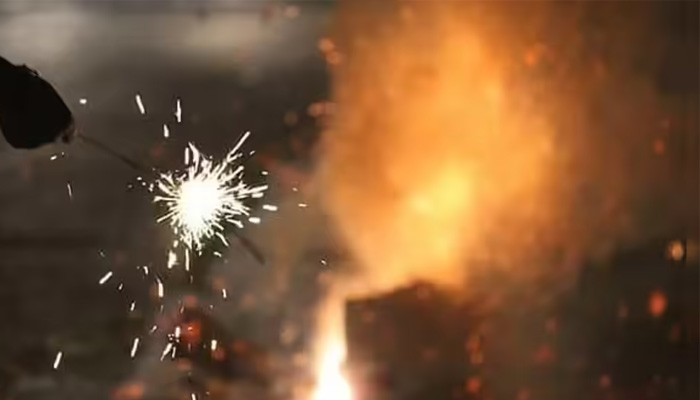
Delhi Suffers Severe Air Pollution Post-Diwali: Top 10 Most-Affected Areas.
Delhi and its surrounding regions woke up under a thick blanket of smog on Tuesday morning as air quality plummeted into “very poor” and “hazardous” levels. Despite partial restrictions, residents burst firecrackers to celebrate Diwali, compounding already high pollution. Low temperatures and stagnant winds further worsened the situation, sending particulate matter soaring across the city.
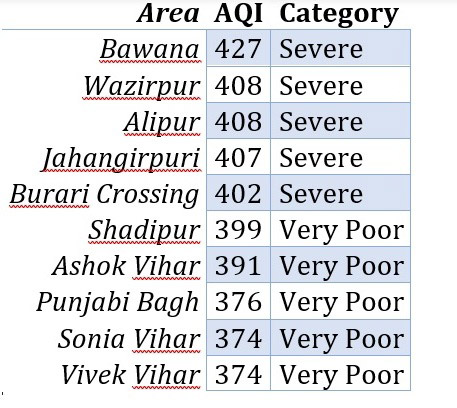
Data from the Central Pollution Control Board (CPCB) showed Delhi’s average Air Quality Index (AQI) at 346 at 5:30 AM, placing it in the “very poor” category. Several localities, including Wazirpur, Ashok Vihar, and Anand Vihar, crossed the “severe” threshold of 400. In the National Capital Region (NCR), Noida and Ghaziabad reported AQI levels above 410. The spike was expected, yet alarming, as Diwali emissions combined with ongoing stubble burning in neighboring states.
Top 10 Most-Polluted Areas in Delhi (Tuesday Morning, Descending Order)
Authorities have activated Stage II of the Graded Response Action Plan (GRAP) across Delhi-NCR. Measures include:
- Ban on diesel generator sets (except essential services)
- Increased mechanized road sweeping and water sprinkling
- Strict enforcement against open waste burning
- Curbs on construction and demolition activities
However, experts warn that these measures offer limited short-term relief without broader compliance and ongoing action.
Health Advisory
Air quality in the “very poor” to “severe” range poses significant health risks, particularly for children, the elderly, and people with respiratory conditions. Doctors advise residents to minimize outdoor activity, wear N95 masks when stepping out, and use air purifiers indoors wherever possible.
Comments are closed.