
Worldwide Initiatives Launch to Protect Sinking Cities from Sea-Level Rise and Climate Change

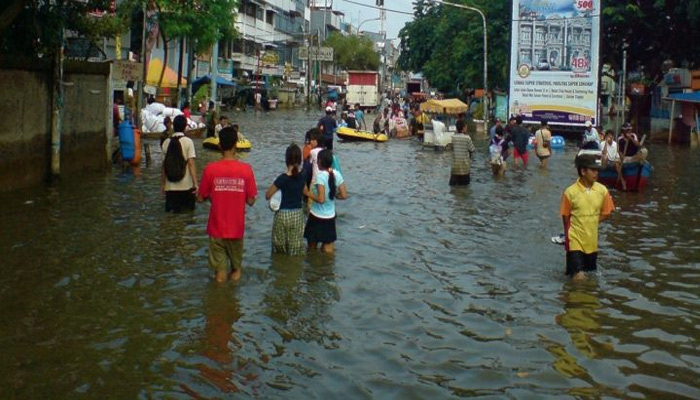
Cities around the world are increasingly facing the threat of sinking, driven by rising sea levels, rapid urbanisation, and decades of environmental exploitation.
In places like Jakarta and Taipei, daily life is marked by streets submerged in water, forcing residents to navigate floods just to reach work, school, or public transport. However, scientists and urban planners are developing innovative strategies that offer hope for reversing or mitigating these challenges.
Global Innovations Offer Solutions for Sinking Cities
A recent report in Nature Cities highlights that much of the subsidence affecting urban areas is caused by human activity, particularly the over-extraction of groundwater. Cities built on soft sediment in Asia and the Americas are among the most vulnerable, with an estimated 34 million people currently at risk.
In China, the concept of “sponge cities” is being explored to manage both droughts and flooding. These urban designs use permeable pavements, rooftop gardens, and drainage systems that channel rainwater into underground reservoirs, simultaneously reducing surface flooding and recharging aquifers.
In the United States, Virginia’s SWIFT project is replenishing millions of gallons of treated wastewater daily back into the ground, rather than allowing it to be over-extracted for industrial or municipal use, according to hydrologist Dan Holloway of the Hampton Roads Sanitation District. This process not only restores groundwater levels but also strengthens the stability of the land.
European countries, particularly the Netherlands, are experimenting with “wet agriculture” on peatlands, cultivating water-loving crops to counteract land subsidence and preserve agricultural productivity while adapting to wetter conditions.
While no single solution can fully address the problem of sinking cities, a combination of nature-based and technological interventions is showing promise. By integrating urban planning with environmental restoration, experts believe it is possible to reduce flood risks, restore land stability, and help vulnerable cities rise above the challenges posed by climate change and urban pressures.
Comments are closed.