
“Modern Lifestyles Increasing Risk of Pelvic Floor Disorders in Young Women”

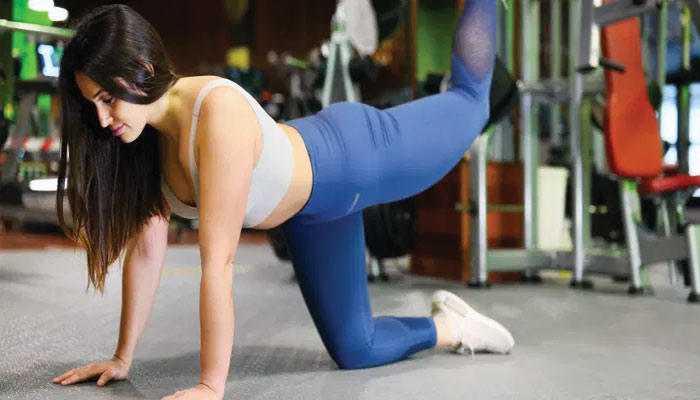
Pelvic floor disorders were once thought to mainly affect women after pregnancy, childbirth, or later in life.
However, doctors are now seeing a noticeable rise in these conditions among younger women, including those in their twenties and early thirties. Symptoms such as urinary leakage, pelvic discomfort, pain during intimacy, or a feeling of heaviness are appearing earlier than expected, largely driven by modern lifestyle habits that quietly strain the body’s support systems.
Understanding the Pelvic Floor and Its Vulnerability
The pelvic floor is a complex network of muscles and connective tissue supporting the bladder, uterus, and bowel. Dr. Alka Chaudhary, Senior Consultant – Obstetrics and Gynaecology at Rainbow Hospital, Delhi, explains, “The pelvic floor provides vital visceral support but is vulnerable to weakening due to a combination of behavioural, occupational, and physical stressors.” When these muscles weaken or lose coordination, simple actions like coughing, exercising, or even sitting for long periods can trigger disruptive symptoms.
Sedentary Lifestyles: A Hidden Culprit
Prolonged sitting is one of the biggest contributors. Long study sessions, desk-bound jobs, screen time, and minimal daily movement take a toll. “Chronic sedentary habits promote pelvic and core muscle atrophy, reduce blood flow, and increase pressure on pelvic structures,” says Dr. Chaudhary. Dr. Tripti Raheja, Director – Obstetrics & Gynaecology at CK Birla Hospital, Delhi, adds, “We sit far more than we realize while working, scrolling, or binge-watching. Over time, even sneezing or laughing can become uncomfortable.”
Exercise Can Sometimes Backfire
Ironically, fitness routines can also strain the pelvic floor if done incorrectly. High-impact aerobics, heavy weightlifting, and intense abdominal exercises can overwork these muscles if pelvic floor awareness is missing. Dr. Chaudhary notes, “Younger women engaging in high-intensity training without understanding pelvic floor mechanics are at risk.” Dr. Raheja emphasizes that focusing on core strength without stabilizing the pelvic muscles can worsen problems.
Diet, Digestion, and Daily Strain
Digestive habits also play a significant role. Low-fibre diets, dehydration, and irregular meals often lead to chronic constipation. Dr. Raheja explains, “Repeated straining during bowel movements puts pressure on the pelvic floor, which can cause discomfort or heaviness over time.” Obesity and poor posture further amplify this strain.
Stress: The Silent Aggravator
Chronic psychological stress is another factor. “Prolonged anxiety can cause pelvic floor muscles to tighten excessively, leading to pain, urinary urgency, or difficulty relaxing,” says Dr. Chaudhary. Dr. Raheja adds that many women unknowingly carry tension in these muscles, worsening symptoms over time.
Why Women Often Delay Seeking Help
Despite its growing prevalence, pelvic floor disorders remain underreported. Social discomfort around discussing urinary or intimate symptoms delays care. Dr. Raheja points out that embarrassment often prevents young women from seeking timely help, even though early intervention is far more effective.
The rise of pelvic floor disorders among young women highlights how modern lifestyles challenge the body in subtle but persistent ways. Sedentary habits, poorly guided workouts, digestive strain, and chronic stress all contribute to early pelvic dysfunction. Awareness, early recognition of symptoms, better movement habits, and routine gynaecological care can help protect pelvic health before problems become severe.
Comments are closed.