
US Expands Travel Restrictions: Full Ban on 7 Countries, Entry Limits for 15 More

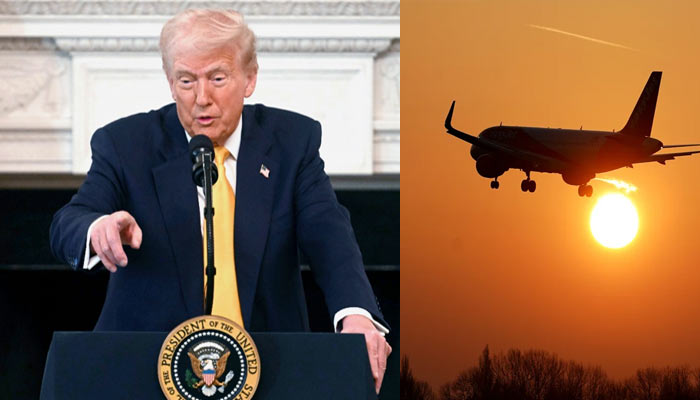
US Expands Travel Ban: Full Restrictions on 7 Countries and Palestinians, Partial Limits on 15 More
US President Donald Trump on Tuesday signed a proclamation imposing a complete travel ban on seven additional countries and Palestinians, while introducing partial entry restrictions on 15 more nations. Citing national security, public safety, weak vetting systems, and high visa overstay rates, the move expands the US travel ban program to a total of 39 countries.
Countries Fully Banned
The full travel ban now includes Burkina Faso, Mali, Niger, South Sudan, Syria, Laos, Sierra Leone, and holders of Palestinian Authority-issued travel documents. Laos and Sierra Leone had previously faced only partial entry restrictions. The expanded restrictions are set to take effect from January 1, 2026.
Partial Restrictions on 15 Nations
The proclamation also imposes partial restrictions on nationals of Angola, Antigua and Barbuda, Benin, Côte d’Ivoire, Dominica, Gabon, The Gambia, Malawi, Mauritania, Nigeria, Senegal, Tanzania, Tonga, Zambia, and Zimbabwe. Nationals of Burundi, Cuba, Togo, and Venezuela will continue under existing partial restrictions. Meanwhile, Turkmenistan sees a partial easing, with non-immigrant visa restrictions lifted.
Background and Rationale
The Trump administration cited terrorist activity, internal conflict, and high visa overstay rates as key reasons for the expansion. Countries like Burkina Faso, Mali, Niger, and Nigeria were highlighted for active terrorist threats, while others were noted for excessive B-1/B-2 and student visa overstays. Syria was singled out for lacking “an adequate central authority for issuing passports or civil documents” due to years of civil unrest.
The move comes after recent security incidents, including the killing of two National Guard members in Washington DC by an Afghan national earlier this year and the December 13 ambush in Syria that claimed the lives of two US soldiers and an American civilian interpreter.
According to the White House fact-sheet, the restrictions are intended to prevent the entry of individuals whose risks cannot be fully assessed, ensure foreign government cooperation, enforce immigration laws, and advance US foreign policy, national security, and counterterrorism objectives.
Exemptions and Waivers
The proclamation allows exemptions for lawful permanent residents, current visa holders, diplomats, athletes, and individuals whose entry aligns with US national interests. It also preserves case-by-case waivers while narrowing broader family-based immigrant visa carve-outs, citing potential fraud risks.
Comments are closed.