

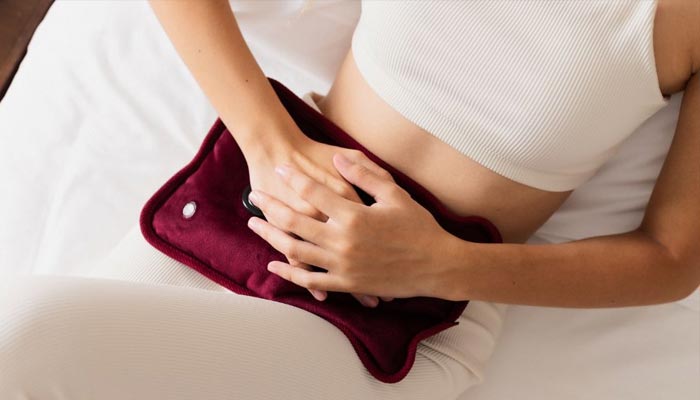
Beyond Hot Water Bags: A Better Way to Manage Menstrual Pain
For years, many women have sat across consultation tables saying the same thing in different words: “Ma’am, it’s my period pain again.” Some say it while clutching their abdomen. Some say it after missing an exam or a workday. Others say it with watery eyes, trying not to appear dramatic.
Many are in so much pain that they cannot sit upright. Yet almost all of them dismiss it with the same explanation — “It’s normal.”
Menstrual pain may be common, but that does not mean it is insignificant or something women must simply endure.
According to Dr. Sharmishtha Mondal, Clinical Scientist and Founder of Be.ing Painfree, understanding menstrual pain and managing it effectively requires looking beyond temporary relief methods.
What Actually Happens During Period Pain
Menstrual pain, medically known as primary dysmenorrhea, is not vague discomfort. It is the result of a biological process.
During menstruation, the body releases chemicals called prostaglandins, which trigger the uterus to contract in order to shed its lining. When prostaglandin levels rise, these contractions become stronger and more frequent.
As a result, blood flow to the uterine muscles may temporarily decrease, intensifying pain signals.
This is why menstrual cramps can feel sharp, heavy, or throbbing. Pain may radiate to the lower back and thighs. Other symptoms often appear alongside cramps, including:
- Nausea
- Bloating
- Loose motions
- Fatigue
- Headaches
The uterus and digestive system share nerve pathways. When one is irritated, the other often reacts. That is why period pain is often accompanied by digestive discomfort.
In simple terms, menstrual cramps are not just discomfort — they involve inflammation and muscle spasms within the body.
Why Most Women Turn to Hot Water Bags
Heat therapy remains one of the most common responses to menstrual pain. A hot water bag relaxes muscles and improves blood circulation, which can temporarily ease cramps.
For many women, it is also deeply familiar. It is often the first remedy handed down by mothers and caregivers.
There is an emotional comfort attached to it — the warmth feels soothing and reassuring.
However, heat mainly provides temporary relief. It relaxes muscles but does not reduce prostaglandin levels or address the underlying inflammatory processes responsible for cramps. Once the warmth fades, the pain may return.
When heat is not enough, many women rely on painkillers, particularly non-steroidal anti-inflammatory drugs (NSAIDs). These medications can reduce prostaglandin production and help manage acute pain.
But regular monthly use sometimes leads to side effects such as acidity, bloating, or gastric discomfort. Some women also worry about becoming dependent on medication.
In clinics, doctors often hear patients say:
“I don’t want to take tablets every month, but I don’t know what else to do.”
This highlights a broader issue. Women are often left choosing between temporary relief from heat or systemic medication, with little discussion about integrated approaches to menstrual care.
Not All Period Pain Is the Same
Over time, doctors have observed that menstrual pain varies widely between individuals.
Some women experience intense, wave-like cramps. Others describe a constant feeling of heaviness or bloating. Many report that digestive discomfort feels worse than uterine pain itself.
These differences reveal something important: the body does not function in isolated compartments. The uterus, digestive system, inflammatory pathways, and stress hormones are all interconnected.
Managing menstrual pain effectively therefore requires addressing several factors at once:
- Reducing inflammation
- Relaxing muscle spasms
- Supporting digestive health
- Improving overall body balance
- A Cultural Shift Is Needed
Beyond medical solutions, menstrual health also requires a cultural change.
Girls are often taught that suffering through periods is simply part of being a woman. Pain tolerance becomes a measure of resilience.
But that mindset needs to change.
Menstrual care should evolve with scientific understanding. While hot water bags may still provide comfort, women deserve access to more comprehensive solutions that go beyond temporary coping methods.
When women are given informed choices, they experience not just relief but dignity in managing their health.
What Actually Helps Reduce Period Pain
Managing menstrual pain effectively usually involves a combination of lifestyle measures and medical support rather than a single solution.
1. Anti-inflammatory diet
Foods rich in omega-3 fatty acids, such as walnuts, flaxseeds, and fatty fish, may help reduce inflammation. Magnesium-rich foods like bananas, dark chocolate, and leafy greens can support muscle relaxation and ease cramps.
2. Gentle movement
Although exercise may seem difficult during painful cramps, light stretching, yoga, or slow walking can improve blood circulation and reduce the intensity of uterine contractions.
3. Supporting gut health
Since digestive disturbances can worsen menstrual discomfort, staying hydrated and eating lighter meals during the first days of menstruation may help. Reducing caffeine and highly processed foods can also minimise bloating.
4. Medical guidance when necessary
Pain-relieving medications can be helpful when used appropriately. However, persistent or severe menstrual pain should not be ignored. Conditions such as endometriosis, adenomyosis, or hormonal imbalances may require professional evaluation and treatment.
The Goal: Relief Without Unnecessary Suffering
The goal of menstrual care is not to eliminate every sensation associated with periods. Instead, it is to reduce unnecessary suffering and offer women multiple effective options.
With better awareness, lifestyle adjustments, and medical support when needed, menstrual pain can be managed in ways that work with the body rather than against it.
Comments are closed.