

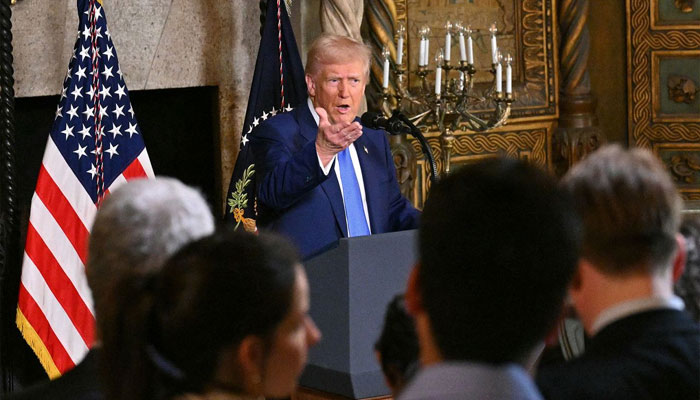
Amid escalating tensions with Iran, US President Donald Trump on Monday invoked a hallmark doctrine of Ronald Reagan, declaring “PEACE THROUGH STRENGTH” in a post on Truth Social as the crisis around the Strait of Hormuz deepens.
The phrase, closely associated with Reagan’s Cold War strategy, reflects a policy of deterrence built on overwhelming military and economic power to prevent adversaries from escalating conflict. Trump’s use of the doctrine signals a similar approach in the current standoff, where Washington is pressing Tehran to reopen the strategic waterway.
Ultimatum and Escalation Risks
Trump has issued a 48-hour ultimatum to Iran to restore access through the Strait of Hormuz, a critical route for global energy supplies. He indicated that the outcome would be “very good,” but warned of severe consequences if Tehran failed to comply.
“If they don’t, there could be total decimation,” Trump said in an interview, adding that the US was prepared to take decisive action rather than allow the situation to drag on.
A day earlier, he had warned that the US could “hit and obliterate” Iranian power infrastructure, starting with major facilities, if the strait remains blocked.
NATO Frictions Surface
The US President also criticised NATO allies for their reluctance to back potential military action, accusing them of inaction and calling them “paper tigers.”
In response, NATO Secretary General Mark Rutte urged “understanding,” suggesting that allies remain cautious about direct involvement in a rapidly escalating conflict.
Iran’s Warning
Iran, meanwhile, has responded with strong warnings of its own. Officials in Tehran said any attack on its infrastructure would trigger retaliation targeting US and Israeli energy, information technology, and desalination facilities across the region.
With both sides hardening their positions, the situation around the Strait of Hormuz remains volatile, raising concerns over potential disruptions to global oil supplies and the risk of a broader regional conflict.
Comments are closed.