
Ethanol blending to cut fuel imports: PM’s big E20 push amid Hormuz tensions

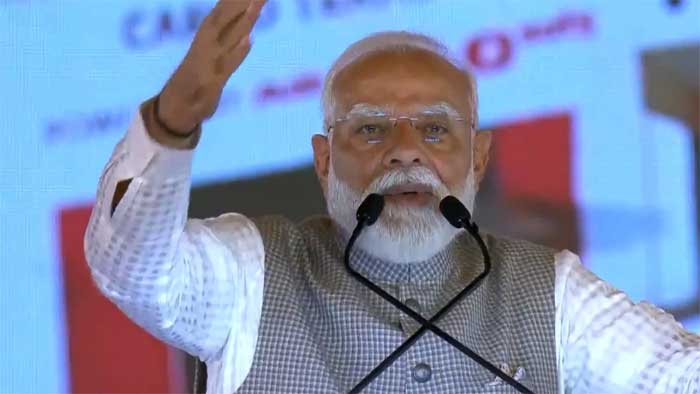
Amid an energy crisis triggered by the West Asia conflict, Prime Minister Narendra Modi on Saturday highlighted the government’s ethanol blending policy as a key factor in reducing India’s dependence on imported crude oil.
Speaking at the inauguration of the Noida International Airport, Modi credited sugarcane farmers from western Uttar Pradesh for contributing to significant savings in foreign exchange. He said that without ethanol blending, India would have needed to import an additional 4.5 crore barrels of crude oil.
His remarks come at a time when global oil prices have surged due to tensions in West Asia, which supplies over 40% of India’s crude oil needs.
India’s ethanol blending programme—aimed at cutting import costs, conserving foreign exchange, and reducing emissions—has seen major progress in recent years. The country achieved its target of 20% ethanol blending in petrol ahead of schedule, and since April 1, oil companies have been mandated to supply E20 fuel nationwide. The government now aims to raise the blending level to 30% by 2030.
According to the Ministry of Petroleum and Natural Gas, the initiative has helped India save around ₹1.36 lakh crore in foreign exchange over the past decade by lowering crude import dependence.
Modi also called for unity in the face of global uncertainty, urging citizens to remain calm and focused on national priorities. He emphasized that while the crisis is global, India is taking necessary steps to safeguard energy supplies and ensure there is no fuel shortage for its people.
Comments are closed.