
Lebanon-Israel Ceasefire Extended by Three Weeks After White House Talks

Lebanon-Israel ceasefire extended by three weeks after White House talks
Lebanon and Israel have agreed to extend their ceasefire by three weeks following a high-level meeting at the White House, US President Donald Trump said on Thursday.
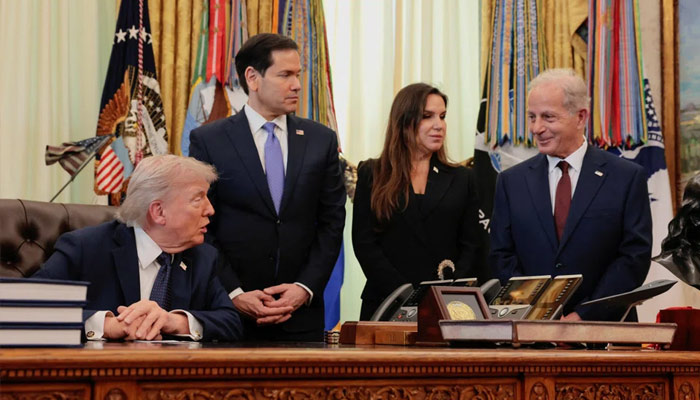
Trump hosted Israel’s ambassador to Washington, Yechiel Leiter, and Lebanon’s envoy Nada Moawad in the Oval Office for a second round of US-mediated talks. The meeting came a day after Israeli strikes killed at least five people, including a journalist.
“The meeting went very well. The United States is going to work with Lebanon to help it protect itself from Hezbollah,” Trump said in a post on Truth Social.
Hezbollah, the Iran-backed armed group engaged in hostilities with Israel, was not part of the talks. The group maintains it has “the right to resist” what it calls occupation.
Trump said he expects to host Israeli Prime Minister Benjamin Netanyahu and Lebanese President Joseph Aoun soon, expressing optimism that the two sides could move toward a broader agreement.
Speaking to reporters alongside senior US officials, including Vice President JD Vance and Secretary of State Marco Rubio, Trump said there was a “great chance” a peace deal could be reached this year.
The ceasefire, initially agreed last week through talks between the two countries’ ambassadors in Washington, was due to expire on Sunday. While it has led to a reduction in violence, clashes have continued in southern Lebanon, where Israeli forces maintain a self-declared buffer zone.
Push for next phase
Lebanese officials are expected to press for an Israeli withdrawal, the return of detainees, and formal demarcation of the land border in the next phase of negotiations.
Israel, meanwhile, has sought to align more closely with Lebanon’s government against Hezbollah, which Beirut says it aims to disarm through political means.
When asked how Washington would assist Lebanon in countering Hezbollah, Trump offered few specifics but reiterated US support for both Lebanon’s security and Israel’s right to defend itself.
He also called on Lebanon to repeal laws restricting engagement with Israel, appearing unfamiliar with the country’s anti-normalisation statutes. “I’m pretty sure that will be ended very quickly,” he said.
Deadliest day since truce
Despite the truce, violence has persisted. Lebanon’s health ministry said Israeli strikes on Wednesday killed three people and wounded two others, including a child, making it the deadliest day since the ceasefire took effect on April 16.
Among those killed was journalist Amal Khalil, according to Lebanese officials and her employer, Al-Akhbar newspaper.
Israel’s military said it is reviewing reports that journalists were wounded in strikes targeting vehicles leaving what it described as a Hezbollah-linked military site. It maintained that it does not target journalists.
Hezbollah lawmaker Hassan Fadlallah said the group supports extending the ceasefire but only if Israel fully complies. He also rejected direct talks with Israel and urged the Lebanese government to halt such engagement.
Hostilities reignited on March 2, when Hezbollah launched attacks in support of Iran amid wider regional tensions. Since then, nearly 2,500 people have been killed in Lebanon, according to official figures.
Israel says its operations — including maintaining a 5–10 km buffer zone inside southern Lebanon — are aimed at protecting northern communities from rocket fire. The military has warned residents not to enter the restricted area.
Comments are closed.