

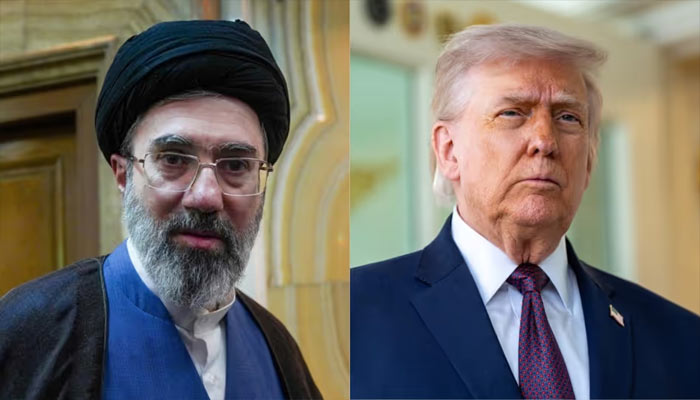
As uncertainty clouds shipping through the Strait of Hormuz, diplomacy has gone into overdrive.
With just a week left before the ceasefire between the United States and Iran expires on April 22, negotiators are racing to salvage a deal and prevent a return to open conflict.
The two-week pause in fighting is already showing signs of strain. Following the collapse of initial talks in Islamabad, diplomats are working back channels to organise a fresh round of negotiations. Meanwhile, Washington’s blockade of Iranian ports has escalated tensions, prompting Tehran to warn of potential retaliatory strikes across the region.
Talks stall, but window remains open
The conflict, now in its seventh week, has disrupted global markets and energy flows, with shipping routes and infrastructure taking a hit. The ceasefire had briefly raised hopes of a diplomatic breakthrough, especially after direct engagement between US and Iranian officials in Islamabad.
However, after 21 hours of negotiations, the talks ended without agreement. US Vice President JD Vance said Tehran rejected Washington’s “final and best offer,” while the White House reiterated that Iran’s nuclear programme remains the central sticking point.
Iran pushed back strongly. Parliament Speaker Mohammad-Baqer Qalibaf accused the US of failing to build trust during the negotiations.
Despite the setback, both sides appear willing to try again. US President Donald Trump has indicated that another round of talks could take place within days, potentially again in Islamabad.
UN Secretary-General António Guterres also signalled optimism, calling a restart of talks “highly probable” after discussions with Pakistani officials. While no formal date has been fixed, diplomats are keeping the coming weekend open for a possible breakthrough meeting.
Parallel tensions in Israel-Lebanon theatre
Even as US-Iran diplomacy continues, another front threatens to complicate the situation. Israel and Lebanon have begun their first direct talks in over three decades, hosted in Washington.
The dialogue comes amid ongoing hostilities, with cross-border violence continuing despite diplomatic engagement. The conflict escalated after Hezbollah launched attacks in early March, triggering sustained Israeli military action.
US Secretary of State Marco Rubio, who hosted the talks, cautioned that progress would be slow given the complexity of the issues. Lebanon is pushing for a ceasefire before negotiations move forward, while Israel insists that Hezbollah’s disarmament is non-negotiable.
Hezbollah leader Naim Qassem dismissed the talks outright, calling them futile without internal Lebanese consensus.
Europe steps in on Hormuz security
Amid rising tensions in the Gulf, France and the United Kingdom are planning a summit involving more than 40 nations to address security in the Strait of Hormuz.
French President Emmanuel Macron and British Prime Minister Keir Starmer are expected to lead the discussions, which aim to establish a multilateral, defensive framework to ensure freedom of navigation once conditions stabilise.
The initiative follows Washington’s controversial move to block ships entering and leaving the strait, a step aimed at increasing pressure on Iran over its nuclear programme. Both Paris and London have criticised the approach, instead pushing for coordinated international efforts to reduce tensions.
Comments are closed.