
Reserve Bank of India Flags Iran War, El Niño as Key Inflation Risks in MPC Minutes

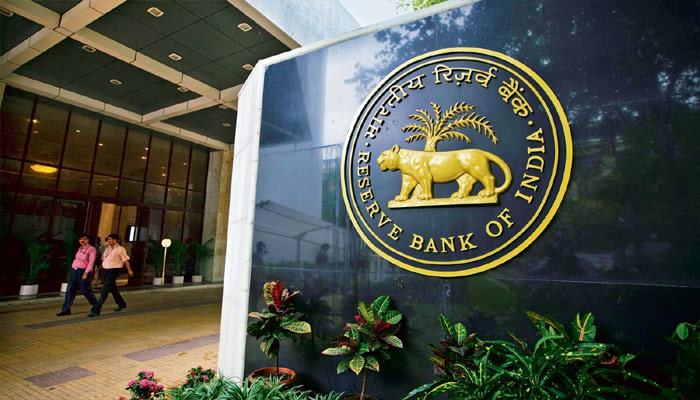
The Reserve Bank of India has flagged rising global risks, warning that escalating tensions in West Asia could disrupt supply chains and weigh on both growth and inflation.
In the minutes of its April 6–8 Monetary Policy Committee meeting, the central bank noted that elevated energy and commodity prices—amid concerns over disruptions in the Strait of Hormuz—could pose a drag on domestic production in FY27. Any supply shock in the region, it cautioned, may translate into higher input costs and slower economic momentum.
The RBI also highlighted the risk of persistently high inflation, pointing to a combination of geopolitical tensions and the potential onset of El Niño. The climate phenomenon, which typically leads to weaker monsoon rainfall in India, could add pressure on food prices and overall inflation.
Against this backdrop, the Monetary Policy Committee opted to keep the repo rate unchanged at 5.5% in April, maintaining a cautious stance.
On the growth front, India’s GDP is projected to expand by 6.9% in FY27, supported by resilient domestic demand, strong services activity, and improving capacity utilisation in manufacturing. However, the RBI warned that risks remain tilted to the downside due to volatile energy prices, global trade disruptions, and financial market uncertainties.
Inflation, meanwhile, is projected at 4.6% for FY27. The central bank flagged upside risks from energy price volatility and weather-related disruptions, including El Niño, reinforcing the need for a calibrated “wait-and-watch” approach to monetary policy.
Comments are closed.