
Iran says ‘ball in US court’ as Donald Trump signals likely rejection of proposal

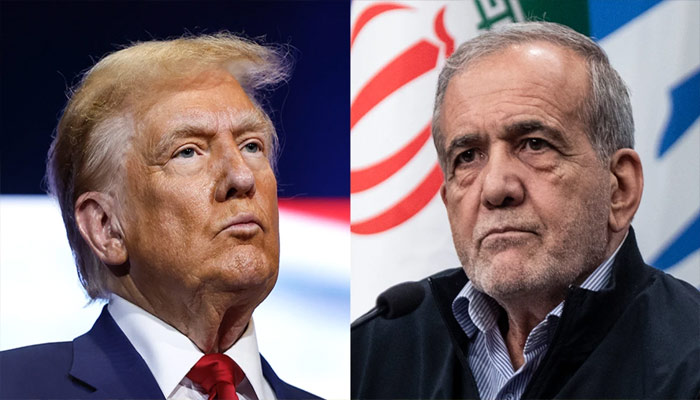
Iran has said the next move lies with the United States after Donald Trump signalled scepticism over Tehran’s latest peace proposal, keeping tensions high despite a fragile ceasefire.
Iran’s deputy foreign minister Kazem Gharibabadi told diplomats in Tehran that “the ball is in the United States’ court,” urging Washington to choose between diplomacy and continued confrontation. He added that Iran remains “prepared for both paths.”
Speaking before boarding Air Force One, Trump said he would review the new proposal but cast doubt on its viability. “I’ll let you know about it later,” he said, adding that Iran had not yet “paid a big enough price.” In a subsequent social media post, Trump said he “can’t imagine” accepting the proposal, reiterating his tough stance after already rejecting an earlier offer this week.
According to Iran’s semi-official agencies — Tasnim News Agency and Fars News Agency — Tehran has submitted a fresh 14-point plan to Washington via Pakistan. The proposal comes amid a ceasefire in the conflict launched by the United States and Israel in late February, which has been in place since April 8 following an unsuccessful round of talks in Pakistan.
Washington has consistently maintained that any deal must prevent Iran from acquiring nuclear weapons — the key objective cited by Trump when he ordered strikes during ongoing nuclear negotiations. Iran, however, insists its nuclear programme is purely peaceful.
Reports suggest Tehran’s proposal includes demands such as a US military withdrawal from areas surrounding Iran, lifting sanctions, releasing frozen Iranian assets, compensation payments, and an end to the war across all fronts, including Lebanon. It also calls for easing restrictions around the Strait of Hormuz — a vital global energy corridor — and proposes reopening it even before nuclear issues are resolved.
Trump, speaking in Florida, did not rule out further military action. “If they misbehave… it’s certainly a possibility,” he said, keeping the threat of escalation on the table.
Meanwhile, the United States has warned global shipping firms against making any form of payment to Iran for safe passage through the strait, including digital transfers, informal swaps or in-kind contributions. Violators could face sanctions.
Iran has effectively tightened its grip over the Strait of Hormuz since the conflict began, disrupting global supplies of oil, gas and fertilisers. In response, the US has enforced a naval blockade on Iranian ports, cutting off key oil revenues. The standoff has pushed global oil prices to nearly 50% above pre-war levels, underlining the wider economic impact of the crisis.
Comments are closed.