
Why Was ‘The Bengal Files’ Banned in West Bengal? Revisiting the Controversy Around Vivek Agnihotri’s Film

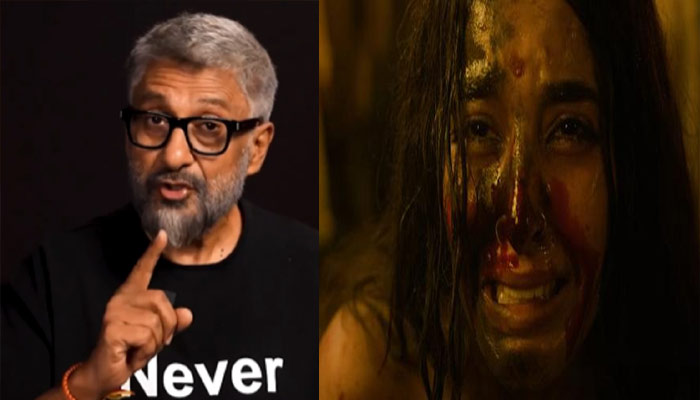
When Vivek Agnihotri’s The Bengal Files released in September 2025, it did not screen in West Bengal, triggering a major controversy and debate over censorship, politics, and film distribution in the state.
The film, directed by Vivek Agnihotri, was accused by critics of being politically sensitive and propagandistic in nature. While there was no official ban issued by the West Bengal government, the film’s absence from theatres led to widespread speculation and disagreement over whether it had been informally blocked.
No official ban, but no screenings either
Authorities under the then TMC-led government maintained that no formal restriction was placed on the film. However, it still failed to secure a theatrical release across Kolkata and other parts of the state.
Several theatre owners in West Bengal reportedly chose not to screen the film, citing programming constraints, prior bookings, and limited screen availability. This collective absence from cinema halls effectively meant audiences in the state could not watch the film in theatres.
Allegations of “unofficial pressure”
The producers of the film, including Pallavi Joshi, alleged that the situation amounted to an “unofficial ban.” In public statements and a letter addressed to the President of India, Droupadi Murmu, she claimed that cinema owners were being pressured and intimidated, which prevented screenings despite the absence of a formal prohibition.
The filmmakers also alleged that promotional efforts were obstructed, including difficulties with advertising and legal challenges linked to the film’s content.
Legal row over historical portrayal
Separately, the film faced controversy over its depiction of freedom fighter Gopal Mukherjee, also known as Gopal Patha. His family objected to his portrayal and raised legal complaints, alleging misrepresentation.
An FIR was reportedly filed in connection with the issue, adding another layer of legal scrutiny to an already politically sensitive release.
However, the filmmakers rejected these allegations. In an earlier interview, Pallavi Joshi stated that the portrayal was not disrespectful and maintained that the claims made against the film were inaccurate, adding that the full context would become clear once audiences watched it.
A controversy that continues
Even as the film now prepares for a broader release in West Bengal, the debate around it continues to reflect deeper tensions around politics, artistic freedom, and historical interpretation in Indian cinema.
Comments are closed.