
Crude Oil Jumps 4% After Donald Trump Rejects Iran Peace Proposal; Gift Nifty Slides 193 Points

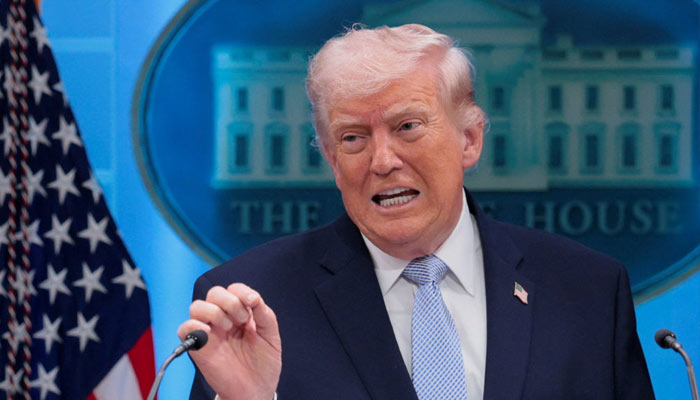
Global oil markets surged sharply on Monday after Donald Trump rejected Iran’s latest response to a US-backed peace proposal, raising fears.
That the conflict in the Middle East could drag on further and keep the strategically crucial Strait of Hormuz effectively shut. Brent crude climbed nearly 4 per cent to trade around the $105-per-barrel mark, while WTI crude futures once again crossed the $100-per-barrel level as traders reacted to the collapse of hopes for an immediate diplomatic breakthrough.
The renewed geopolitical tension also rattled equity sentiment across Asia.
Gift Nifty slipped sharply in early Monday trade, signalling a weak opening for Indian markets. At around 7:14 AM IST, Gift Nifty was down 193 points, or nearly 0.8 per cent, at 24,047 after opening at 24,280.
Meanwhile, gold prices retreated despite the broader uncertainty. Bullion fell roughly $4,700 per ounce on Monday, giving up part of the gains accumulated over the past week when investors had briefly turned optimistic about possible ceasefire negotiations.
The latest market volatility followed a strong statement from Trump on his social media platform, Truth Social, after Iranian state media released details of Tehran’s latest response to Washington’s proposal.
“I have just read the response from Iran’s so-called ‘Representatives.’ I don’t like it — TOTALLY UNACCEPTABLE!” Trump wrote, without specifying which parts of the proposal had triggered the rejection.
The US initiative had been seen as an attempt to restart negotiations and reduce tensions after nearly 10 weeks of conflict that have severely disrupted shipping activity through the Strait of Hormuz — one of the world’s most critical oil transit routes.
However, Iran’s reported response included several hardline demands, including compensation for war-related damages, recognition of Iranian sovereignty over the Strait of Hormuz, removal of sanctions and guarantees against future military strikes.
The sharp rise in oil prices now threatens to add fresh inflationary pressure globally, especially for major energy-importing economies such as India, where higher crude prices directly impact fuel costs, trade balances and market sentiment.
Investors are now expected to closely monitor further diplomatic signals from Washington and Tehran, as well as any developments related to shipping access through the Strait of Hormuz, which remains central to global energy supply chains.
Comments are closed.