
Iran plans transit fees for ships crossing Strait of Hormuz, says lawmaker

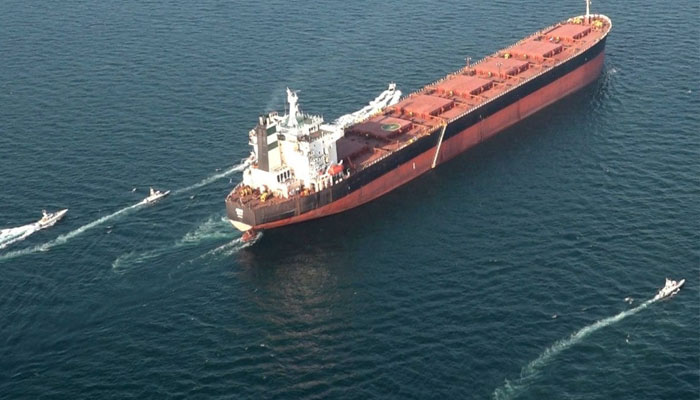
Iran is preparing a new framework to regulate maritime movement through the strategically crucial Strait of Hormuz, including plans to impose fees on ships passing through the waterway, according to senior Iranian lawmaker Ebrahim Azizi.
Speaking to media outlets, Azizi, who heads Iran’s parliamentary committee on national security and foreign policy, said Tehran had finalised a mechanism to manage vessel traffic through a designated maritime passage system. Detailed guidelines for the proposed framework are expected to be announced soon.
According to Azizi, access under the new arrangement may be limited to commercial vessels and countries maintaining cooperative relations with Iran. He added that ships using the route could be required to pay fees in return for “specialised services” provided under the transit mechanism.
The proposal could carry significant implications for global energy markets and international shipping, given the Strait of Hormuz’s importance as one of the world’s busiest oil transit chokepoints. A substantial portion of global crude oil exports and liquefied natural gas shipments pass through the narrow waterway connecting the Persian Gulf with the Gulf of Oman and the Arabian Sea.
The development comes at a time of heightened geopolitical tensions in West Asia and growing concerns surrounding maritime security in the Gulf region. Any move affecting navigation through the strait is likely to draw close attention from global energy importers, shipping companies and major world powers.
Iran’s remarks also coincided with renewed diplomatic outreach towards India. Iranian Foreign Minister Seyed Abbas Araghchi recently said India could play a larger diplomatic role in West Asia due to its ties with countries across the Gulf region. He also reiterated Tehran’s willingness to deepen cooperation with New Delhi in areas such as trade, transit connectivity and regional stability.
Analysts view Iran’s latest comments on the Strait of Hormuz and projects such as Chabahar Port as part of a broader effort to strengthen its influence over key regional trade and transit corridors amid continuing sanctions pressure and regional uncertainty.
Comments are closed.