
Trump Abandons $1.8 Billion Anti-Weaponisation Fund After GOP Backlash and Court Criticism

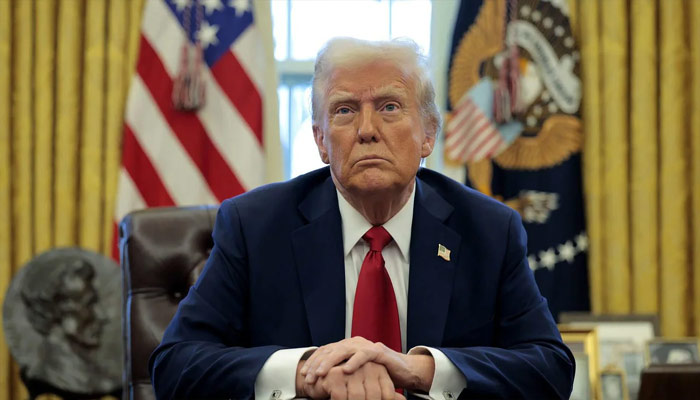
The US Justice Department has announced that President Donald Trump will abandon plans for a controversial $1.776 billion “Anti-Weaponisation Fund” after the proposal triggered opposition from within the Republican Party and was temporarily blocked by a federal judge.
The fund had been proposed as part of a legal settlement and was intended to compensate individuals who claimed they had been unfairly targeted by what Trump and his supporters describe as the political “weaponisation” of government agencies during the administration of former President Joe Biden.
However, the proposal quickly drew criticism from lawmakers, legal experts and even some Republicans, who questioned how the money would be distributed and who would ultimately qualify for compensation.
In a statement on Monday, the Justice Department said it would comply with a federal court order preventing any payments from being made through the fund, despite disagreeing with the ruling.
“The Department of Justice disagrees strongly with the decision on the Anti-Weaponisation Fund put forth by the United States District Court Judge in the Eastern District of Virginia,” the department said.
Controversial Settlement Proposal
The fund emerged from a lawsuit filed by Donald Trump against the Internal Revenue Service (IRS) over the disclosure of his tax records in 2019. Trump had reportedly sought $10 billion in damages before settlement discussions led to the proposal for the compensation fund.
Under the arrangement, the fund would have been used to provide financial relief to people who claimed they had been subjected to politically motivated investigations or legal actions.
Reports also suggested that the settlement included protections for Trump, members of his family and affiliated entities from audits related to previously filed tax returns. In addition, the agreement was expected to include a formal apology, though no direct monetary compensation was to be paid to Trump or the Trump Organization.
Republican Opposition Grows
The proposal faced increasing resistance from Republican lawmakers, who raised concerns about transparency and the criteria that would be used to determine eligibility.
Critics argued that the fund could potentially be used to benefit Trump allies or individuals involved in the January 6 Capitol riot. Concerns intensified after acting Attorney General Todd Blanche declined to explicitly rule out such individuals from receiving compensation.
The controversy reportedly complicated broader legislative negotiations in Washington, with some Senate Republicans demanding clarity on the fund before moving ahead with other administration-backed measures.
Senate Republican Leader John Thune indicated that questions surrounding the fund would need to be resolved before related legislative efforts could proceed.
Court Steps In
The debate took a legal turn last week when US District Judge Leonie Brinkema temporarily blocked the administration from operating the fund.
The judge ordered officials not to process claims, distribute money or transfer funds until ongoing legal challenges are resolved. A hearing has been scheduled for June 12 to determine whether the freeze should remain in effect while litigation continues.
With the administration now abandoning the proposal, the political and legal battle surrounding the fund appears to have come to an end, marking a rare instance in which Republican opposition and judicial intervention combined to force a significant retreat by the Trump administration.
Comments are closed.