
Scientists Develop Early Warning System to Predict Biodiversity Threats From Extreme Heat

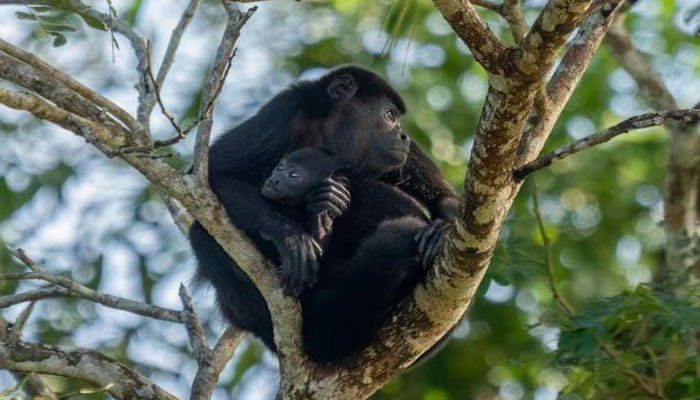
Scientists Develop Early Warning System To Predict Biodiversity Risks From Extreme Temperatures
As climate change drives more frequent and intense heatwaves, cold spells and other temperature extremes, scientists are working on a new generation of early warning systems that could help protect ecosystems before serious damage occurs. The aim is to forecast biodiversity risks in advance, allowing conservationists and policymakers to take preventive action rather than responding after species and habitats have already been affected.
Rising Temperatures Pose Growing Threat To Ecosystems
Extreme temperature events are increasingly being recognised as one of the biggest threats to global biodiversity. Many plants and animals are adapted to specific climatic conditions, and sudden shifts beyond those thresholds can disrupt breeding cycles, alter migration patterns, reduce food availability and increase mortality rates.
In recent years, scientists have linked extreme heat to coral bleaching, forest decline, shrinking insect populations and changes in species distribution. Even short-lived temperature anomalies can have long-lasting consequences for ecosystems, particularly when combined with habitat loss, pollution and other environmental pressures.
Moving From Reaction To Prevention
Conservation efforts have traditionally focused on assessing ecological damage after it occurs. However, researchers argue that the growing pace of climate-related disruptions requires a more proactive approach.
An early warning system would enable authorities to identify vulnerable regions and species before extreme weather events strike. This could provide valuable time to implement protective measures, mobilise resources and reduce potential ecological losses.
The approach mirrors existing disaster-preparedness systems used for storms, floods and droughts, but applies similar forecasting techniques to biodiversity conservation.
How The Forecasting System Works
The proposed framework combines multiple sources of environmental information to assess ecological risks:
- Climate forecasting models help predict upcoming temperature extremes.
- Species distribution databases identify habitats and populations most likely to be exposed.
- Satellite and remote-sensing technologies monitor vegetation health, water stress and habitat conditions.
- Artificial intelligence and machine learning tools analyse large datasets to identify patterns and estimate potential impacts on ecosystems.
- By integrating these inputs, the system can generate risk alerts for areas where biodiversity may be particularly vulnerable to future temperature shocks.
Potential Benefits For Conservation
Researchers believe such a system could significantly improve conservation planning and climate adaptation efforts.
Early warnings could help authorities prioritise habitat protection, support wildlife management initiatives, guide restoration projects and improve the allocation of conservation resources. The information may also assist farmers, land managers and local communities in preparing for ecological changes that affect agriculture, water resources and livelihoods.
At a policy level, biodiversity forecasts could strengthen climate resilience strategies by identifying environmental risks before they escalate into larger ecological crises.
Challenges Remain
While the concept holds significant promise, scientists acknowledge that forecasting biodiversity impacts is far more complex than predicting weather conditions.
Species respond differently to environmental stress, and ecological interactions can vary widely across regions. Limited monitoring infrastructure and data gaps, particularly in biodiversity-rich developing countries, remain major obstacles to accurate forecasting.
Researchers also stress that the effectiveness of any warning system will depend on how quickly governments, conservation agencies and communities can act on the information provided.
A New Tool For Climate Resilience
As climate change continues to reshape natural systems, experts believe that anticipating ecological risks will become increasingly important. Early warning systems for biodiversity could offer a critical tool for safeguarding wildlife and ecosystems in a rapidly warming world.
By providing advance notice of potential threats, these systems aim to shift conservation efforts from crisis response to prevention—helping protect biodiversity before extreme temperatures inflict irreversible damage.
Comments are closed.