
UN Food Agency Welcomes $800 Million US Donation Amid Global Hunger Crisis

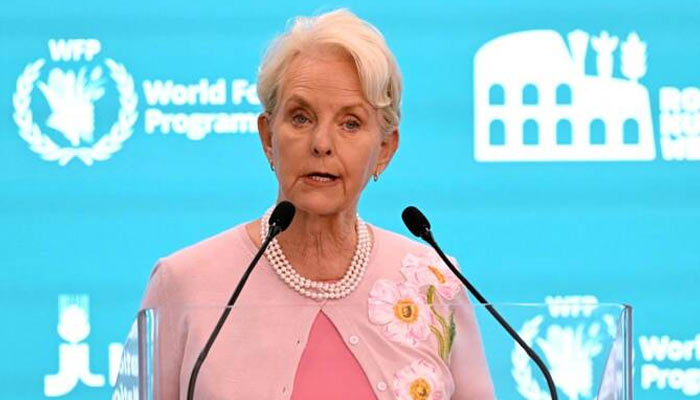
UN Food Programme Welcomes $800 Million US Contribution Amid Funding Pressures
The United Nations’ food assistance agency has welcomed a major funding boost from the United States, announcing that a new $800 million contribution will help sustain critical humanitarian operations across dozens of countries facing hunger and food insecurity.
The Rome-based World Food Programme (WFP) said the funding will support life-saving food and nutrition programmes for more than 38 million vulnerable people in at least 37 countries.
Lifeline For Global Humanitarian Operations
The contribution comes at a crucial time for the agency, which has faced significant financial challenges in recent years due to reductions in humanitarian funding from several major donors, including parts of Europe and the United States.
According to the WFP, the fresh funding will help maintain emergency food assistance, nutritional support for children and mothers, and humanitarian relief efforts in regions affected by conflict, economic crises and climate-related disasters.
“The contribution will support WFP’s life-saving food and nutrition operations to reach more than 38 million of the most vulnerable people across at least 37 countries,” the agency said in a statement.
Growing Demand, Shrinking Resources
Humanitarian organisations worldwide have warned that funding shortfalls are increasingly threatening aid programmes at a time when global hunger levels remain elevated due to ongoing conflicts, displacement crises and extreme weather events.
The WFP has repeatedly cautioned that budget constraints could force reductions in food assistance for millions of people unless additional donor support is secured.
The latest US contribution is expected to provide much-needed relief to the agency’s operations and strengthen its ability to respond to humanitarian emergencies in some of the world’s most vulnerable regions.
Critical Support For Millions
As the world’s largest humanitarian organisation focused on combating hunger, the WFP delivers food assistance in conflict zones, disaster-hit areas and regions experiencing severe food insecurity.
The $800 million contribution is expected to help the agency continue providing emergency aid, nutritional support and resilience-building programmes for communities facing acute humanitarian needs, reinforcing efforts to prevent hunger from escalating into larger crises.
Comments are closed.