
Beetroot Benefits Explained: Should You Add This Superfood to Your Diet?

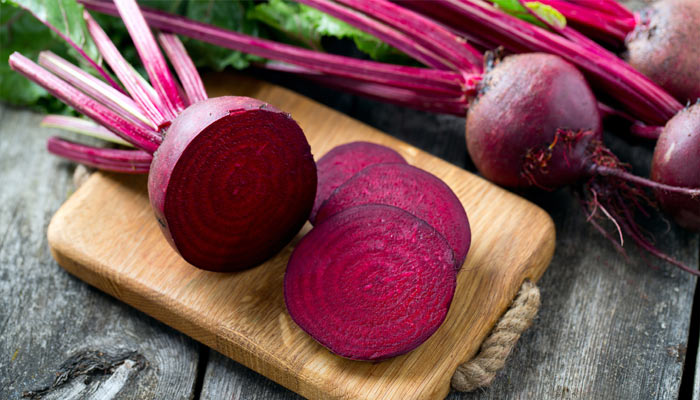
Should You Add Beetroot to Your Diet? 8 Health Benefits You Should Know
Beetroot is more than just a colorful addition to your salad. Rich in antioxidants, fiber, vitamins and minerals, this nutrient-dense root vegetable offers a wide range of health benefits, from supporting heart health to improving exercise performance. Here are eight reasons why beetroot deserves a place in your daily diet.
1. May Help Lower Blood Pressure
Beetroot is naturally high in nitrates, which the body converts into nitric oxide. This compound helps relax and widen blood vessels, improving blood flow and potentially lowering blood pressure. Regular consumption may support overall cardiovascular health.
2. Can Boost Exercise Performance
The nitrates found in beetroot help muscles use oxygen more efficiently during physical activity. Studies suggest that beetroot juice may improve stamina, enhance endurance and reduce fatigue, making it a popular choice among athletes and fitness enthusiasts.
3. Helps Fight Inflammation
Beetroots contain betalains, natural pigments that give the vegetable its deep red color. These compounds have anti-inflammatory properties that may help reduce chronic inflammation, which is associated with several health conditions, including heart disease and obesity.
4. Supports Digestive Health
A good source of dietary fiber, beetroot promotes healthy digestion and regular bowel movements. Fiber also nourishes beneficial gut bacteria, supporting a healthier digestive system and reducing the risk of constipation.
5. May Improve Brain Function
The nitrates in beetroot can enhance blood flow to the brain, particularly areas linked to memory, concentration and decision-making. Improved circulation may help support cognitive function as people age.
6. Supports Liver Function
Beetroot’s antioxidants and betalains may assist the liver in carrying out its natural detoxification processes. By helping the body process and eliminate waste products efficiently, beetroot can contribute to overall liver health.
7. Can Aid Weight Management
Low in calories yet rich in fiber and water, beetroot can help promote feelings of fullness. Including it in meals may reduce hunger between meals and support healthy weight-management goals.
8. Packed With Essential Nutrients
Beetroot provides an impressive range of vitamins and minerals, including folate (vitamin B9), potassium, iron, manganese and vitamin C. These nutrients play important roles in energy production, immune function, red blood cell formation and overall well-being.
The Bottom Line
Adding beetroot to your diet is a simple way to boost your intake of important nutrients while supporting heart, brain and digestive health. Whether enjoyed roasted, in salads, blended into smoothies or as juice, beetroot can be a nutritious addition to a balanced diet.
Comments are closed.