
Malala Criticises EU-Taliban Talks, Demands Focus On Afghan Women’s Rights

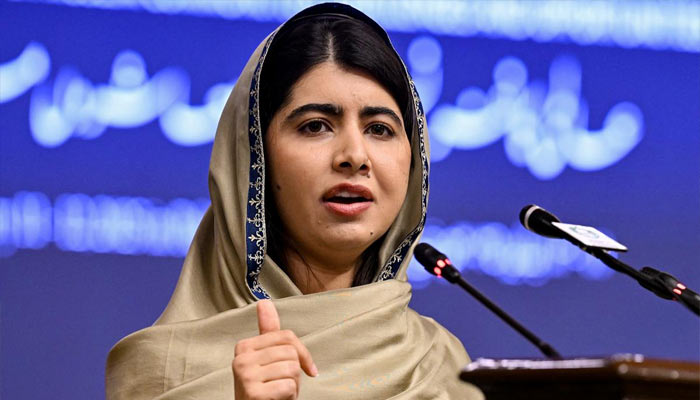
Malala Condemns EU-Taliban Talks, Says Afghan Women’s Rights Must Be Non-Negotiable
Nobel Peace Prize winner Malala Yousafzai has criticised the European Union for hosting Taliban representatives in Brussels, arguing that any engagement with the regime must place the rights of Afghan women and girls at the centre of discussions.
In a video message posted on X, Malala said she was “deeply disturbed” by the EU’s decision to hold talks with Taliban officials, warning that such engagement risks legitimising a government accused of systematically stripping women and girls of their freedoms.
“This is the same Taliban that banned girls from secondary schools, forced women out of public life and punished those who dared to speak out,” she said.
Describing the situation in Afghanistan as one of the world’s gravest human rights crises, Malala accused the Taliban of creating a system of “gender apartheid” through policies that restrict women’s education, employment and public participation.
“Europe must not normalise or legitimise a regime that has erased women and girls from society,” she said. “Any dialogue with the Taliban must begin and end with the rights of Afghan women and girls.”
Rare EU-Taliban Meeting In Brussels
Malala’s remarks came after a Taliban delegation participated in rare talks with European Union officials in Brussels on Tuesday.
The meeting, attended by representatives from 15 EU member states and co-chaired by Sweden, focused largely on migration issues, including the return of Afghan asylum-seekers whose applications have been rejected.
Although the EU does not formally recognise the Taliban government, the European Commission invited a five-member delegation as part of efforts to address deportation procedures and broader migration concerns.
According to EU officials, discussions included the possible return of Afghans convicted of serious crimes or considered security threats, as well as technical matters such as identity verification and travel documentation.
A spokesperson for the Taliban’s foreign ministry said the talks were aimed at improving engagement with European countries and addressing issues faced by Afghans living abroad, particularly those facing deportation after unsuccessful asylum claims.
The meeting has sparked criticism from human rights advocates, who argue that any engagement with the Taliban should be tied to meaningful progress on the rights and freedoms of Afghan women and girls.
Comments are closed.