
Inside US-Iran Doha Talks: Frozen Funds, Backchannel Diplomacy And High-Stakes Negotiations

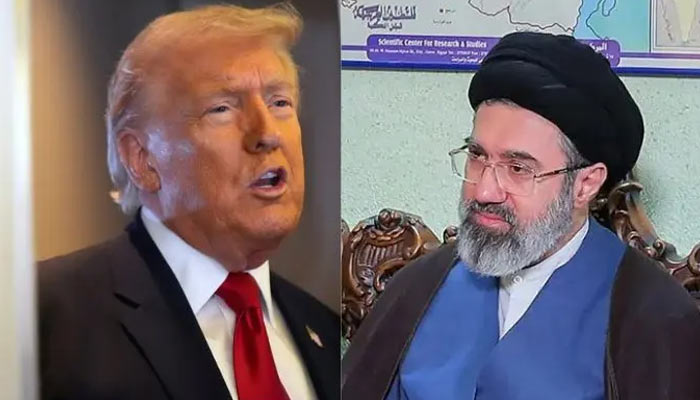
The latest round of indirect talks between the United States and Iran in Doha focused on implementing.
The recently signed memorandum of understanding (MoU), with discussions covering the possible phased release of $3 billion in frozen Iranian assets and the creation of an emergency communication channel to address any violations of the agreement.
The negotiations, mediated by Qatar and Pakistan, concluded on Wednesday after two days of discussions involving senior officials and technical experts from both sides.
Emergency communication channel agreed
Iranian Deputy Foreign Minister Kazem Gharibabadi said Tehran and Washington had agreed to establish a communication mechanism to report and record any breaches of the MoU.
Speaking after the talks, Gharibabadi stressed that there were no direct meetings between the US and Iranian delegations, with all exchanges conducted through Qatari and Pakistani mediators.
He also said the discussions included the use of Iranian funds frozen in Qatar, adding that the two sides agreed essential goods requested by Tehran would be procured and delivered using those assets.
$3 billion in frozen assets under discussion
According to Al Arabiya, negotiators reached an initial understanding on the phased release of $3 billion in frozen Iranian funds, with future disbursements linked to progress in implementing the memorandum.
However, a US official denied that any funds had been released, saying any transfer would depend entirely on Iran fulfilling the conditions outlined in the agreement.
The official added that Washington would retain oversight of how the money is spent, with any released assets intended to finance the purchase of American agricultural products for humanitarian use in Iran.
Lebanon and Strait of Hormuz also on agenda
Alongside the financial discussions, the negotiations also addressed broader regional issues, including Lebanon and the Strait of Hormuz.
According to reports, Iran accused Israel of undermining the implementation of the MoU by maintaining its military presence in Lebanon. Tehran also reiterated its position that the Strait of Hormuz falls under the sovereignty of Iran and Oman.
Iran reportedly called for the implementation of five key provisions of the memorandum before expanding negotiations to other issues. Discussions on the strategic waterway are expected to continue based on a new proposal put forward by Oman, with both delegations returning home for further consultations.
Qatar reports ‘positive progress’
Qatar described the latest round of negotiations as constructive, saying both sides made “positive progress” on issues related to the Islamabad Memorandum of Understanding.
In a statement posted on X, Foreign Ministry spokesperson Majed Al Ansari said Qatari and Pakistani mediators held separate meetings with US and Iranian negotiators throughout the day.
He added that both sides had agreed to continue negotiations, with the next round expected to be scheduled after the funeral ceremonies for Iran’s former Supreme Leader.
Focus remains on implementing the MoU
The Doha talks began on Tuesday and were held through separate negotiating tracks involving senior diplomats and technical teams.
Ahead of the discussions, US envoy Steve Witkoff and President Donald Trump’s adviser and son-in-law Jared Kushner met Qatar’s prime minister as part of efforts to facilitate the negotiations.
The current dialogue is aimed at implementing the memorandum signed by both sides, which established a 60-day framework for negotiating a broader nuclear agreement. The talks also follow last week’s understanding between Washington and Tehran to temporarily de-escalate tensions in the Strait of Hormuz after a series of military exchanges.
Comments are closed.