
Trump Announces Up to 200% Tariffs on Generic Drugs, India Faces Major Export Hit

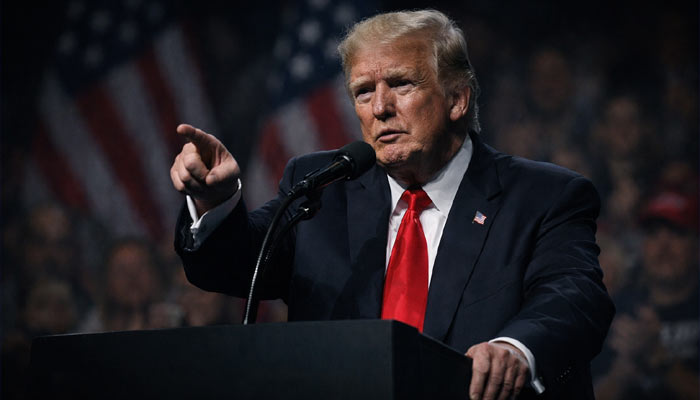
US President Donald Trump on Wednesday unveiled a phased tariff plan on imported generic medicines, a move aimed at encouraging pharmaceutical companies to manufacture Their products in the United States.
The policy is expected to have significant implications for India, which is the largest supplier of generic medicines to the US market. Under the new framework, imported generic drugs will continue to enter the US duty-free for a two-year transition period beginning August 1, 2026. From August 1, 2028, a 100 per cent tariff will be imposed for one year, after which the duty will increase to 200 per cent.
The announcement has raised concerns for India’s pharmaceutical sector, which relies heavily on exports to the United States. According to a Global Trade Research Initiative (GTRI) report, India exported pharmaceutical products worth $9.7 billion to the US in 2025, accounting for nearly 38 per cent of the country’s total pharmaceutical exports valued at $25.8 billion.
Indian drugmakers play a vital role in the US healthcare system by supplying affordable generic medicines used to treat a wide range of illnesses, including diabetes, hypertension, cancer, infectious diseases and mental health conditions.
Announcing the policy on his social media platform, Truth Social, Trump said the objective was to revive pharmaceutical manufacturing within the United States and reduce dependence on imported medicines.
He said companies would have two years to relocate production facilities to the US before the higher tariffs come into effect. Trump also clarified that the new tariff regime would apply only to generic medicines, while existing policies governing patented, branded and innovative drugs would remain unchanged.
Calling the move part of his broader “America First” economic agenda, Trump claimed pharmaceutical companies were already investing in new manufacturing facilities across the country at an unprecedented pace.
Industry experts believe the proposed tariffs could significantly reshape global pharmaceutical supply chains and increase costs for exporters. For Indian pharmaceutical companies, many of which earn a substantial share of their revenue from the US market, the policy could pose fresh challenges by reducing price competitiveness unless manufacturing capacities are shifted closer to American consumers.
Comments are closed.