
Iran’s Grip on Hormuz Weakens as Over 80% of Ships Bypass Strait: Tracking Firm

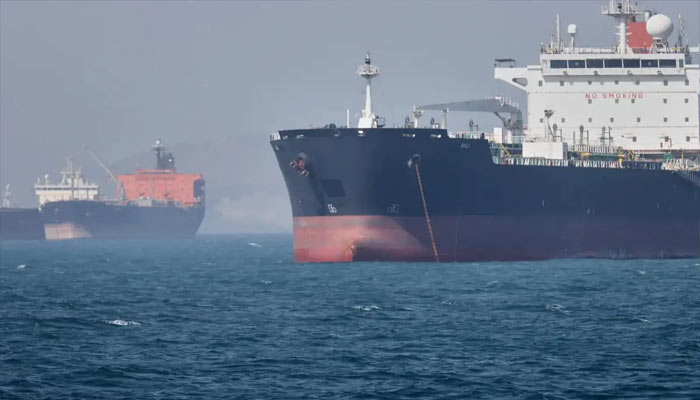
Iran’s Hold Over Strait of Hormuz Comes Under Pressure
The Strait of Hormuz has emerged as a key flashpoint in the Iran war, with both Tehran and Washington claiming to have the upper hand over the strategic waterway. However, recent shipping data suggests the situation is more complicated.
More than 80% of vessels that have passed through the strait over the past two weeks have reportedly used a route on the Omani side, according to Kpler data cited by CNN. The route is authorised by the United Nations but has been opposed by Iran.
The growing use of the Omani route suggests Tehran may have lost some of the control over maritime traffic it appeared to exercise earlier in the conflict.
Homayoun Falakshahi, head of crude oil analysis at Kpler, said the trend increasingly suggested that Iran had “at least partially lost control” of the strait.
Ships Move Towards Omani Route
The change is notable because the Omani side had seen almost no shipping activity a month earlier, Kpler data showed. Iran has claimed authority over navigation through the waterway and has attacked vessels attempting to use routes close to Oman’s northern coast.
Despite the risks, commercial ships are increasingly choosing the Omani side, with some relying on US naval forces operating in the region for protection.
The shift has also made it more difficult for Tehran to enforce its reported demand for transit fees from vessels using the waterway. As more ships avoid the route favoured by Iran, its ability to impose such charges has weakened.
The developments highlight the limits of claiming absolute control over Hormuz. Iran can still threaten or disrupt shipping, but the presence of US naval forces has provided commercial vessels with an alternative route and additional security.
Gulf Oil Producers Alter Shipping Strategy
Oil-producing countries in the Gulf are also adapting their shipping operations. Kuwait, Saudi Arabia and the UAE have reportedly chartered Very Large Crude Carriers to transport oil from the Persian Gulf through Hormuz.
The crude is then transferred to other tankers outside the immediate danger zone in the Gulf of Oman.
Some tankers have taken additional precautions to avoid becoming targets. Several vessels have switched off their transponders for extended periods, creating what is known as “dark traffic” and making it harder for conventional tracking systems to determine the volume of oil being transported.
Satellite imagery and other technologies can still detect some of these vessels, but tracking becomes significantly more difficult when identification signals are disabled.
US Claims Oil Flows Remain High
Washington has disputed estimates suggesting that oil shipments through the region have fallen sharply.
With US naval forces operating around Hormuz, President Donald Trump has claimed that the US has total control of the strait. He has also said he would like to take control of the waterway and shared a map referring to the strait as “new US territory.”
US Energy Secretary Chris Wright said oil transported through the strait, along with shipments rerouted around the waterway, amounted to about 15 million barrels per day over a one-week period.
That figure is substantially closer to the roughly 20 million barrels per day that passed through the region before the war. Washington has used the figures to argue that Iran has failed to completely close the waterway despite its threats and attacks.
However, the data does not establish that the US has unrestricted control over Hormuz.
Neither Iran Nor US Has Complete Control
The overall picture points to a shifting balance rather than clear dominance by either side.
Iran retains the ability to threaten commercial vessels and make passage through the strait more dangerous. Those risks have prompted ships to change routes, disable tracking systems and seek naval protection.
At the same time, the increasing use of the Omani route indicates that Tehran’s ability to prevent vessels from choosing alternative paths has diminished.
The situation is also being shaped by separate discussions between Iran and Oman on navigation through the waterway. The two countries, which share coastlines along Hormuz, have been exploring ways to restore freedom of navigation without direct US participation.
Whether those talks result in an agreement that changes shipping patterns remains uncertain. For now, shipping data suggests that neither Iran nor the US can conclusively claim complete control of the Strait of Hormuz.
Comments are closed.