
CBI Books Case Against Subhash Chandra Over Alleged Net Worth Inflation to Secure Loans

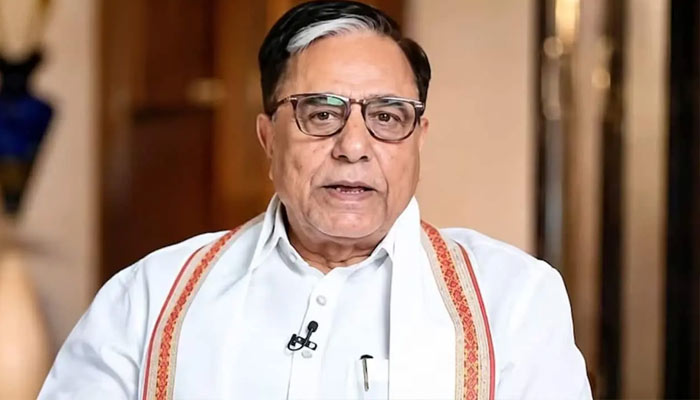
The Central Bureau of Investigation (CBI) has registered a case against Essel Group chairman Subhash Chandra and others over allegations.
That inflated net worth certificates were used to secure loans from LIC Housing Finance Ltd (LICHFL). The loans subsequently turned into non-performing assets, allegedly causing the lender a loss of more than Rs 1,322 crore.
The CBI action comes days after the National Company Law Tribunal (NCLT) put on hold Chandra’s Rs 6.25 crore repayment plan in a separate personal insolvency proceeding.
The latest case relates to two credit facilities worth a combined Rs 980 crore that were sanctioned in 2018. According to the complaint, the loans were granted on the basis of net worth certificates and personal guarantees furnished by Chandra.
One of the certificates, issued by DIM & Co on March 28, 2018, valued Chandra’s net worth at Rs 59,113 crore. However, during subsequent insolvency proceedings, Chandra reportedly disclosed that his net worth in 2024 stood at only Rs 31.79 crore.
DETAILS OF THE LOANS
The first facility, amounting to Rs 500 crore, was sanctioned to Vasant Sagar Properties Pvt Ltd, with Pan India Infra Projects Pvt Ltd acting as the co-borrower. The loan was intended for takeover of existing liabilities, a top-up facility and business expansion.
Chandra provided a continuing guarantee for the facility on March 28, 2018. The CBI complaint alleges that his personal net worth certificate, showing assets worth Rs 59,113 crore, was among the documents relied upon while sanctioning the loan.
LICHFL has alleged that the facilities were sanctioned and disbursed based on the financial credentials represented in the certificates and the personal guarantees provided by Chandra.
SEPARATE INSOLVENCY PROCEEDINGS
The CBI case comes against the backdrop of separate insolvency proceedings involving claims of around Rs 22,006 crore against Chandra. These claims stem from personal guarantees he had provided for loans taken by several companies associated with the Essel Group.
Chandra has maintained that the Rs 22,006 crore amount does not represent money personally borrowed by him.
In the insolvency proceedings, a two-member NCLT bench delivered differing views on his repayment proposal. The matter was subsequently referred to a third member, who approved the plan.
Several creditors, including Union Bank of India, Canara Bank and LICHFL, opposed the approval and challenged it before the National Company Law Appellate Tribunal (NCLAT).
A five-member special bench of the NCLT later stayed implementation of the repayment plan, observing that there was no majority view that could be acted upon. The tribunal also directed Chandra not to sell, transfer or otherwise dispose of his properties, either directly or indirectly.
Chandra’s legal team has challenged the constitution of the special NCLT bench. The NCLAT has now deferred the matter to October 7.
Comments are closed.