
US Tariff Threat: 100% Duty on India Could Come Within Days as Russia Sanctions Amendment Advances

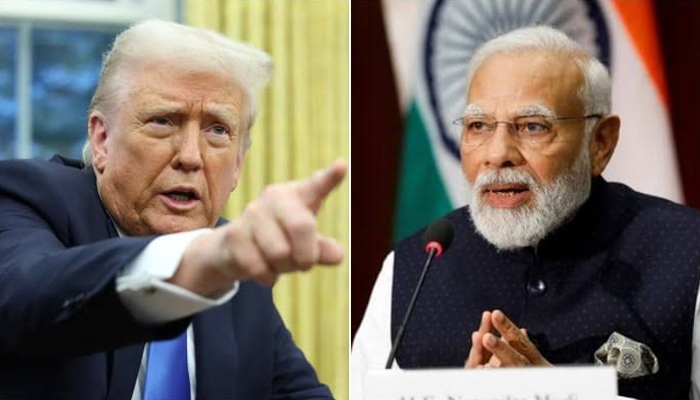
US lawmakers have introduced competing amendments to a Russia sanctions bill that could have major implications for India.
One proposal seeks to explicitly identify Russia’s key trading partners, including India, as potential targets for 100 per cent tariffs, while another amendment calls for the removal of the provision that would give the US President such tariff powers.
The developments come shortly after India hosted the BRICS Summit in New Delhi, where Russian President Vladimir Putin and Prime Minister Narendra Modi were seen together, highlighting the close relationship between the two countries. Moscow continues to remain an important partner for India in crude oil supplies and nuclear energy.
According to reports in the US media, Washington is increasingly concerned about India’s continued economic engagement with Russia, with the Trump administration facing a narrow legislative window to advance tougher measures.
What Is The Lindsey O. Graham Sanctioning Russia And Iran Act?
The Lindsey O. Graham Sanctioning Russia and Iran Act was passed by the US Senate last month with an 86-11 vote. The legislation proposes sweeping sanctions targeting Russia’s leadership, energy sector and the so-called “shadow fleet” of vessels accused of helping Moscow circumvent sanctions on oil exports.
A key provision would also allow President Donald Trump to impose tariffs of up to 100 per cent on major buyers of Russian oil and gas.
The Senate version, approved on August 7, does not specifically name countries such as India or China. Instead, it refers to the five largest importers of Russian oil and gas by volume.
The US has argued that revenue from Russian oil exports helps finance the war in Ukraine. India has rejected the suggestion that curbing its Russian oil purchases would end the conflict.
External Affairs Minister S Jaishankar has maintained that the Ukraine war cannot be resolved simply by restricting India’s energy imports from Russia. He has stressed that a lasting solution would require dialogue, diplomacy and negotiations.
India, China And UAE Among Countries Named
Democratic Congressman Steny Hoyer has introduced an amendment that would specifically identify countries potentially subject to the 100 per cent tariff provision.
The proposed list includes India, China, Türkiye, Azerbaijan, Hungary, the Slovak Republic, the UAE, Singapore, Kazakhstan and Kyrgyz Republic.
If adopted, the amendment could significantly increase pressure on India, which has continued purchasing Russian crude despite Western sanctions.
However, another amendment could potentially block the tariff provision altogether.
Democratic Congressman Gregory Meeks, who opposes giving the President broader tariff powers, has proposed removing Section 113 from the legislation. The section would provide the White House with authority to impose sweeping secondary tariffs on countries continuing to trade with Russia.
Meeks’ proposal has three co-sponsors. The House Rules Committee made the amendments public on Monday.
Other Proposals In The Bill
Meeks has also proposed allowing the President to waive sanctions against a foreign individual or entity for 90 days if such a move is considered vital to US national security. The waiver could be renewed for additional 90-day periods.
Another amendment introduced by Meeks seeks to authorise $15 billion in direct loans to Ukraine to finance the purchase of defence equipment and services.
Why Is This A Major Concern For India?
The Russia sanctions bill must clear the US House of Representatives before it can reach the President for his signature.
With the House having only four working days left before an early recess ahead of the November 3 midterm elections, the coming days could prove crucial for New Delhi.
India is already dealing with pressure over its energy purchases amid US sanctions on Iran and disruptions to established oil routes in the Middle East. These developments have made Russian crude an increasingly important source of energy for India.
A 100 per cent secondary tariff on countries buying Russian oil could therefore create significant economic and diplomatic challenges for New Delhi.
For India, the immediate question is whether the tariff provision will survive the House legislative process or whether lawmakers will remove it before the bill reaches the White House.
Comments are closed.