
Delhi’s Air Quality Remains ‘Poor’ For Third Straight Day, AQI Hits 180; Govt Plans Action At Pollution Hotspots

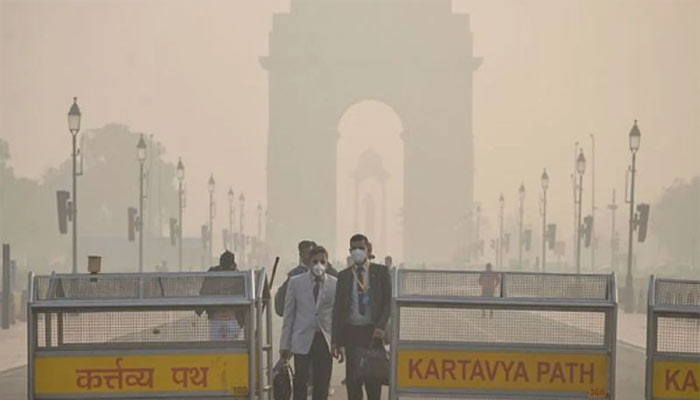
Delhi Air Pollution: AQI Remains At 180 For Third Straight Day; Government Plans Targeted Action At Hotspots
Delhi continued to experience poor air quality for the third consecutive day, with the Air Quality Index (AQI) reaching 180, according to the latest available data. Pollution levels worsened following Dussehra celebrations, with smoke and unfavourable meteorological conditions adding to the city’s deteriorating air quality.
In response, the Commission for Air Quality Management (CAQM) implemented Stage I of the Graded Response Action Plan (GRAP) across Delhi-NCR after the AQI entered the poor category earlier in the week.
Delhi Government Intensifies Pollution Control Efforts
With concerns mounting over the rising pollution levels, Delhi Environment Minister Manjinder Singh Sirsa has directed officials to prepare targeted action plans for identified pollution hotspots across the capital.
The proposed plans will focus on identifying specific pollution sources, assigning responsibilities to the concerned departments and establishing deadlines for corrective action.
During a review meeting, Sirsa instructed officials to use AQI monitoring data to pinpoint local contributors to pollution, including road dust, traffic congestion, construction activities, unauthorised parking and open waste burning.
Emphasising the need for prompt action, the minister said authorities must identify pollution sources and address them directly at the affected locations. He also stressed that every department should have a clearly defined action plan, fixed deadlines and accountability for implementation.
Officials have been directed to remove encroachments, repair potholes, cover exposed roadside soil and conduct regular water sprinkling in areas vulnerable to dust pollution.
Transport Emerges As A Major Source Of Delhi’s Pollution
Government-cited data identifies transport as the largest contributor among the listed sources of Delhi’s air pollution, accounting for 20.3% of the total.
Residential sources contributed 5.2%, followed by industries at 4.2% and construction activities at 2.6%. Energy accounted for 2%, while waste burning contributed 1.8% and road dust 1.4%. Other sources made up the remaining 1.3% of the listed contributions.
To address transport-related emissions, Sirsa called for stronger coordination between traffic police and other government agencies, particularly to regulate heavy-vehicle movement during peak traffic hours.
The government is also encouraging residents to contribute to pollution reduction by avoiding garbage burning, preventing waste from accumulating on roads, keeping vehicle Pollution Under Control (PUC) certificates up to date and choosing public transport or carpooling wherever possible.
The minister stressed that tackling air pollution requires coordinated government action as well as responsible public behaviour.
GRAP Stage I Measures Continue Across Delhi-NCR
Stage I of the Graded Response Action Plan remains in effect across Delhi-NCR as authorities intensify efforts to control pollution.
The measures focus on reducing road and construction dust, improving waste management, monitoring construction and demolition activities, and addressing vehicular emissions.
The government’s proposed hotspot-specific strategy is intended to make pollution control more targeted by addressing local sources rather than relying exclusively on broad citywide measures.
As Delhi moves further into the pollution-prone season, the effectiveness of these interventions will depend on timely implementation, coordination between agencies and public cooperation.
Comments are closed.