
Personalised Cancer Vaccine Cuts Metastasis Risk By 38%: How Does The Groundbreaking Treatment Train The Immune System?

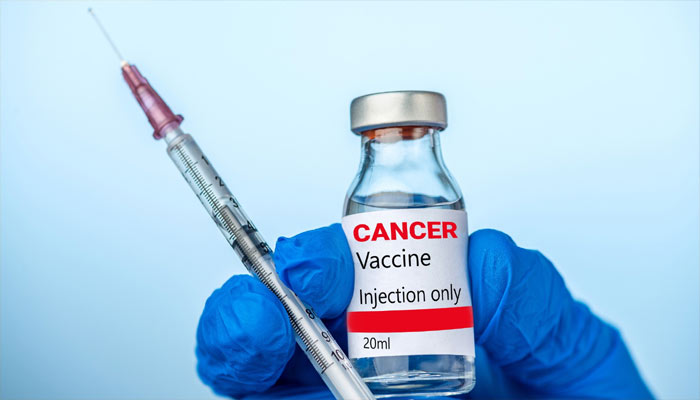
Personalised Cancer Vaccine Cuts Risk Of Cancer Spreading By 38%: How Does The New Treatment Work?
Cancer treatment is entering a new phase, with researchers exploring therapies tailored to the unique genetic profile of each patient’s tumour. Instead of relying solely on treatments designed for a particular cancer type, personalised medicine aims to help the immune system identify and attack cancer cells using their specific molecular characteristics.
A personalised cancer vaccine developed by Moderna and Merck has shown promising results in a Phase 3 clinical trial. Administered alongside Keytruda, an immunotherapy drug, after surgery, the vaccine reduced the relative risk of melanoma recurrence or death by 42%. It also reduced the relative risk of distant metastasis or death by 38%, offering fresh evidence that mRNA technology could play an important role in cancer treatment.
The findings highlight how a technology used in some COVID-19 vaccines is being adapted to help the body’s immune defences recognise and target cancer cells more precisely.
What Did The Phase 3 Cancer Vaccine Trial Reveal?
The Phase 3 INTerpath-001 trial involved 1,137 adults with high-risk stage IIB, IIC, III or IV melanoma who had undergone surgery. Participants received pembrolizumab, sold under the brand name Keytruda, either alongside the personalised cancer vaccine or with a placebo.
After two years, 82.2% of patients treated with the vaccine and Keytruda remained alive without their cancer returning. In comparison, the figure was 70% among patients who received Keytruda alone.
Researchers also reported a 38% reduction in the relative risk of distant metastasis or death. Distant metastasis occurs when cancer spreads from its original location to other parts of the body.
However, the results do not mean that the vaccine guarantees protection against cancer spreading. The 38% figure represents a relative reduction in risk compared with the control group, rather than the proportion of patients who were certain to avoid metastasis.
How Does A Personalised Cancer Vaccine Work?
Unlike conventional vaccines that prevent infectious diseases, this treatment is designed for people who already have cancer or have undergone surgery to remove a tumour. Its purpose is to help the immune system recognise cancer cells that may remain in the body.
The process begins with an analysis of the patient’s tumour. Scientists examine its genetic material to identify mutations that distinguish cancer cells from healthy tissue. Some of these mutations produce abnormal proteins known as neoantigens, which can serve as targets for the immune system.
Using this information, researchers develop an individualised mRNA vaccine containing instructions for producing selected tumour-specific targets. Once the vaccine is administered, the aim is to stimulate immune cells to recognise these targets and mount a response against cancer cells carrying them.
In simple terms, the vaccine gives the immune system a personalised identification guide to help it recognise the patient’s cancer.
Why Is Keytruda Given Alongside The Vaccine?
The two treatments serve different but complementary purposes.
The personalised vaccine is intended to teach the immune system to identify specific cancer-related targets. Keytruda, or pembrolizumab, is an immunotherapy drug that blocks the PD-1 pathway, which cancer cells can exploit to weaken the body’s immune response.
By blocking this pathway, Keytruda can help immune cells maintain their ability to attack cancer. Combining it with the vaccine may therefore help the immune system both recognise tumour cells and respond more effectively against them.
Experts at the Institute of Cancer Research have described the broader principle as training the immune system to recognise cancer while releasing the biological brakes that can restrict its activity.
Can The Vaccine Stop Melanoma From Returning?
Preventing recurrence is one of the main objectives of the treatment.
Even after surgery successfully removes a visible melanoma, microscopic cancer cells may remain undetected elsewhere in the body. In patients with high-risk disease, these cells can eventually lead to a recurrence or spread to distant organs.
Additional treatment given after surgery, known as adjuvant therapy, aims to lower this risk. The trial results indicate that adding the personalised vaccine to Keytruda may provide greater protection against recurrence than Keytruda alone.
Nevertheless, longer follow-up is necessary to establish whether the improvement in recurrence-related outcomes ultimately translates into better overall survival. The findings also do not establish that the vaccine will work equally well against every form of cancer.
Is The Personalised Cancer Vaccine Available To Patients?
The vaccine remains investigational, and regulatory review will be required before it can become widely available. Moderna and Merck have said they will engage with regulators regarding the trial findings and potential approval.
Researchers are also studying personalised cancer vaccine approaches in other malignancies, including kidney, bladder and lung cancers. Results from melanoma, however, cannot automatically be extended to these other cancer types.
Practical challenges will also influence future access. Because the vaccine is designed around the genetic characteristics of an individual patient’s tumour, its development involves specialised analysis and manufacturing rather than the production of a single standard formulation for everyone.
This individualised process could affect treatment costs, production timelines and the ability to make the therapy available on a large scale.
What Does This Breakthrough Mean For Cancer Treatment?
The Phase 3 findings represent an important step in investigating whether personalised mRNA vaccines can improve outcomes for people with high-risk melanoma. They also strengthen interest in combining tumour-specific vaccines with immunotherapy to target cancer more effectively.
However, the results should be viewed as promising clinical evidence rather than proof of a universal cancer cure. Further research is needed to assess long-term survival, the durability of the response, safety and the feasibility of delivering the treatment to larger numbers of patients.
If future studies and regulatory assessments confirm the benefits, personalised cancer vaccines could become an important addition to treatment strategies for selected patients. For now, their potential lies in making cancer therapy more targeted, using the unique characteristics of each tumour to help the immune system recognise and fight the disease.
Comments are closed.