
Arab Parties Hold Key To Israel’s Next Government As Netanyahu Misses Majority

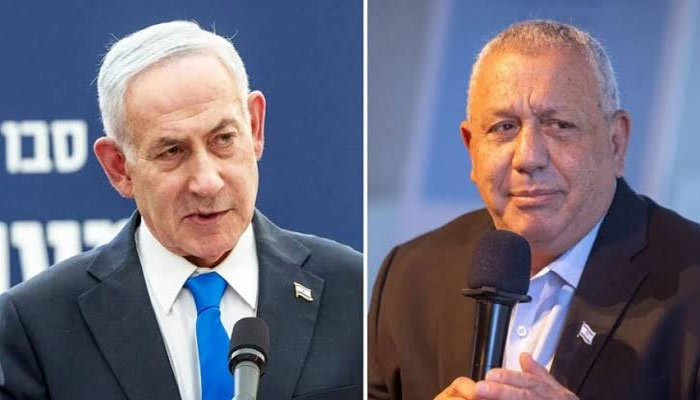
Israel Election Results: Netanyahu’s Bloc Falls Short Of Majority As Arab Parties Gain Kingmaker Role
Israel’s final election results have left Prime Minister Benjamin Netanyahu facing uncertainty over his political future, with his right-wing coalition securing only 53 seats in the 120-member Knesset, well below the 61 required to form a government. The opposition bloc won 48 seats, while Arab-led parties collectively secured 19 seats, placing them in a crucial position in the next phase of government formation.
According to figures released by Israel’s Central Elections Committee on Thursday and reported by The Jerusalem Post, neither of the two main political blocs managed to secure an absolute majority. The outcome has made Arab parties pivotal players in determining parliamentary decisions and potentially influencing the formation of Israel’s next government.
Netanyahu’s Likud party is expected to emerge as the largest single party with 27 seats. However, its position as the leading party does not guarantee a parliamentary majority, leaving the prime minister dependent on potential coalition arrangements.
Arab Parties Gain Crucial Influence In Israel’s Parliament
With neither major bloc reaching the majority threshold, the 19 seats won by Arab-led parties could significantly influence the political balance in the Knesset.
Even if Arab parties do not become part of a governing coalition, they could cooperate with opposition lawmakers on important parliamentary decisions. Their support may prove decisive in electing a new Knesset speaker, who plays an important role in determining parliamentary proceedings and setting the legislative agenda.
Ahmad Tibi, who is second on the Arab-led Joint List, told Army Radio that opposition representatives had approached him about replacing the current Knesset speaker. He indicated that his party would support the opposition’s proposed candidate.
Such cooperation could give Arab lawmakers greater influence over parliamentary proceedings and create opportunities for legislation to advance even before a new government is established.
Gadi Eisenkot Signals Openness To Cooperation With Arab Parties
Netanyahu’s principal electoral rival, former military chief Gadi Eisenkot, has indicated that he is willing to consider cooperation with Arab-led parties, although subject to certain conditions.
The possibility of such an arrangement highlights the changing political arithmetic following the election. With the opposition holding 48 seats, support from Arab lawmakers could become important in challenging Netanyahu’s parliamentary position.
However, the nature and extent of any cooperation remain uncertain, particularly given the political differences between the opposition factions and Arab-led parties.
Netanyahu Could Face Legal And Political Challenges If He Loses Power
A possible departure from office would expose Netanyahu to renewed political and legal challenges.
The Israeli prime minister has been facing long-running corruption charges. Losing office could also intensify demands for accountability over the security failures surrounding the October 7, 2023, Hamas-led attack on Israel.
A formal investigation into the security lapses surrounding the attack is another major issue likely to return to the centre of Israel’s political debate if Netanyahu’s government loses power.
These developments could add further pressure on the prime minister as political parties explore possible arrangements following the election.
Likud Raises Election Allegations As Opposition Pushes Back
As the final results indicated that Netanyahu’s bloc had failed to secure a parliamentary majority, his Likud party amplified allegations that Arab-led parties had stolen the election, potentially with assistance from foreign entities.
The allegations have not been substantiated.
Opposition leaders accused Netanyahu’s camp of targeting and demonising Israel’s Arab population following the strong electoral performance of Arab-led parties. They argued that such claims risk undermining the legitimacy of the election outcome and intensifying divisions within Israeli society.
The controversy has added another layer of tension to an already complicated government-formation process.
Israel Could Face Another Election If Coalition Talks Fail
Despite the final seat distribution, the political future of Israel remains uncertain. Neither Netanyahu’s right-wing bloc nor the opposition has the numbers needed to govern independently.
The coming negotiations could determine whether opposition parties manage to secure enough parliamentary support to replace Netanyahu or whether the prime minister finds a way to assemble an alternative coalition.
If political parties fail to reach an agreement and no government is formed, Israel could be forced into another general election early next year.
For now, the 2026 election has placed Arab-led parties in an influential parliamentary position, while Netanyahu faces the challenge of retaining power without the numbers required for a clear majority.
Comments are closed.