
PJ.2.1: New COVID Variant Detected in 8 Countries, Raising Concerns Over Mutations and Symptoms

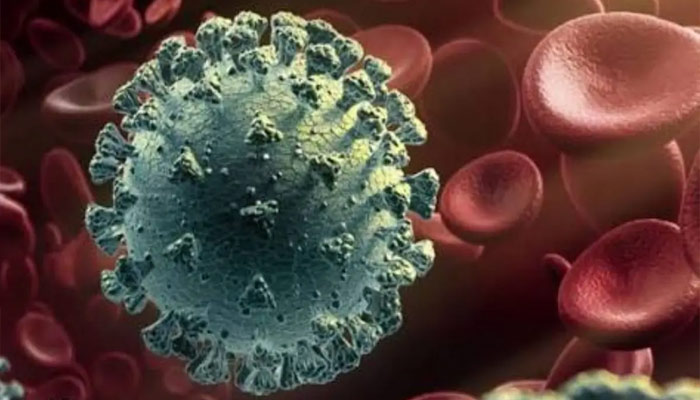
New COVID Variant PJ.2.1: Global Spread, Common Symptoms and Latest Findings on Mutation Risks
A newly identified coronavirus lineage, PJ.2.1, is attracting attention from health researchers after being detected in several countries across different continents. First identified in Ontario, Canada, on May 2, 2026, the variant has subsequently been reported in the United States, Spain, France, Singapore, Australia, New Zealand and Israel.
Researchers are examining its unusual genetic characteristics, particularly the large number of mutations in its spike protein. Classified as a saltation variant because of its substantial genetic changes, PJ.2.1 has raised questions about its ability to spread, interact with human cells and respond to existing immunity.
However, preliminary laboratory findings have not established that it causes more severe disease than earlier coronavirus variants.
WHAT ARE THE COMMON SYMPTOMS OF PJ.2.1?
Health researchers have not identified a distinctive set of symptoms associated exclusively with PJ.2.1. Its reported symptoms largely resemble those seen with other circulating COVID-19 variants and common respiratory infections.
These may include:
- Fever and chills
- Persistent cough
- Sore throat
- Runny or blocked nose
- Headaches
- Muscle pain and body aches
- Fatigue and weakness
- Loss of taste or smell
- Breathing difficulties
- Mild gastrointestinal problems
The symptoms can vary depending on an individual’s age, immunity and overall health.
Since these signs overlap with seasonal influenza and the common cold, identifying the specific infection through symptoms alone can be difficult.
Medical experts recommend appropriate antigen or PCR testing when COVID-19 infection is suspected. However, identifying PJ.2.1 specifically requires genomic sequencing of the virus.
WHY ARE SCIENTISTS CONCERNED ABOUT ITS MUTATIONS?
One of the major characteristics of PJ.2.1 is the unusually high number of mutations in its spike protein.
The spike protein allows the coronavirus to attach to ACE2 receptors on human cells and enter them. Changes in this protein can influence how efficiently a variant interacts with human cells and how it responds to antibodies.
A laboratory study published in the Journal of Infection examined the biological characteristics of PJ.2.1 and found evidence of stronger ACE2 receptor binding compared with certain other variants.
This enhanced binding ability could contribute to the lineage’s growth advantage and help explain its increasing presence in different regions.
However, stronger receptor binding does not automatically mean that an infection will cause more serious illness.
DOES PJ.2.1 CAUSE MORE SEVERE COVID-19?
Despite concerns surrounding its mutations, there is currently no established evidence that PJ.2.1 causes more severe COVID-19 than previously circulating variants.
Researchers have not demonstrated an increased risk of hospitalisation, complications or death associated with this lineage.
Laboratory findings are useful for understanding how a virus behaves, but they cannot independently establish the severity of illness in infected populations.
Older adults, individuals with weakened immune systems and people with underlying medical conditions should continue taking precautions because they remain more vulnerable to severe COVID-19 outcomes.
CAN EXISTING COVID-19 VACCINES PROTECT AGAINST PJ.2.1?
Another important area of investigation is the variant’s ability to evade immunity developed through vaccination or previous infection.
Preliminary neutralisation studies suggest that PJ.2.1 does not demonstrate substantially greater resistance to antibodies generated by recent updated COVID-19 vaccines.
Researchers have also observed that antibodies produced following vaccination with an LP.8.1-adapted vaccine can neutralise the variant in laboratory experiments.
These findings offer some reassurance, although laboratory antibody responses do not directly establish how effectively a vaccine prevents infection in real-world conditions.
Vaccination continues to play an important role in reducing the risk of severe illness and hospitalisation. People in high-risk groups should consult healthcare professionals about recommended vaccinations and booster doses.
SHOULD PEOPLE BE WORRIED ABOUT PJ.2.1?
The detection of PJ.2.1 across several countries highlights the importance of continued international genomic surveillance.
Its mutations and apparent growth advantage make it an important subject for further research. Nevertheless, there is currently no confirmed evidence that it represents a more dangerous form of COVID-19.
Health experts continue to emphasise familiar preventive measures, including maintaining good hand hygiene, staying home when unwell, improving indoor ventilation and seeking medical advice if symptoms become serious.
People experiencing chest pain, significant breathing difficulties or other severe symptoms should seek immediate medical attention.
For now, scientists are focusing on understanding the variant’s transmission patterns, genetic changes and interaction with existing immunity. Further clinical and epidemiological research will be necessary to determine its actual public health impact.
The bottom line: PJ.2.1 is an emerging coronavirus lineage with notable spike-protein mutations and international spread. However, current laboratory findings have not established increased disease severity or substantially greater immune evasion.
Comments are closed.