
Mumbai Civic Body Takes Unprecedented Step, Turns to Wildlife Management for Dam Project

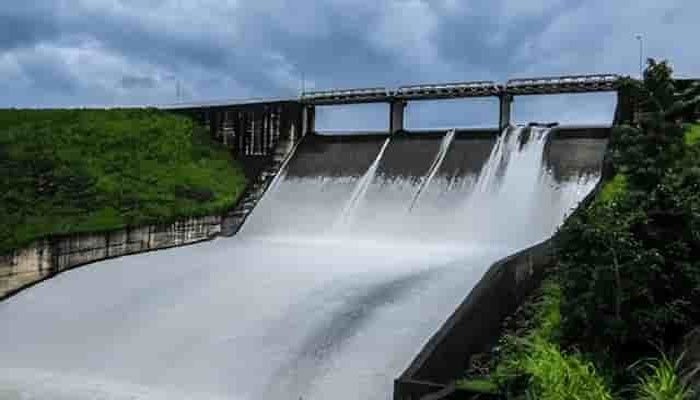
Mumbai’s Gargai Dam Project: BMC Plans Wildlife Relocation, Tribal Rehabilitation to Protect Forest Ecosystem
In an unusual move that goes beyond its traditional civic responsibilities, the Brihanmumbai Municipal Corporation (BMC) has unveiled a comprehensive wildlife management and rehabilitation plan as part of its proposed Gargai dam project in Maharashtra’s Palghar district. The initiative aims to strengthen Mumbai’s drinking water supply while addressing the environmental impact of the proposed reservoir.
The Rs 3,065-crore project recently received clearance from the National Board for Wildlife (NBWL), subject to the implementation of commitments made by the civic body.
The proposed dam on the Gargai river is expected to submerge approximately 650 hectares of forest land within the Tansa Wildlife Sanctuary, which spreads across Thane and Palghar districts. To compensate for the ecological impact, the BMC has proposed measures to improve wildlife habitats in the northern section of the sanctuary.
Plan to Restore Wildlife Food Chain
A major component of the proposal involves introducing herbivorous animals, including spotted deer and antelopes, into the northern forest area. The objective is to encourage leopards to gradually move towards this part of the sanctuary by improving the availability of natural prey.
According to officials, leopards are currently concentrated in the north-western, central and southern sections of the 335-square-kilometre sanctuary, while their presence in the northern region remains limited.
A senior official told The Indian Express that introducing deer and antelopes could help restore the natural food chain and create suitable conditions for apex predators such as leopards.
However, the proposal comes with challenges. A similar initiative undertaken by the forest department in 2015, when spotted deer were released in the area, did not succeed as most of the animals were hunted and killed by local tribal residents.
Six Tribal Villages to Be Relocated
The dam project will also affect six tribal villages located near the proposed construction site. A 2019 survey identified 619 members of tribal communities living in these settlements.
Under the rehabilitation plan, the affected families will be relocated to Wada town, approximately 21 kilometres away. The BMC has also proposed providing employment to one member of each family within the civic administration.
Officials believe relocating the settlements will reduce human interference in the forest, creating better conditions for wildlife breeding and habitat restoration.
Rs 250 Crore Earmarked for Environmental Measures
The wildlife management programme has been developed in consultation with specialists from the Wildlife Institute of India (WII). Since the BMC does not have the necessary expertise in wildlife conservation, the forest department will be responsible for implementing the proposed measures.
The civic body has allocated a separate fund of Rs 250 crore, representing around 8% of the project’s total estimated cost, for wildlife protection and related environmental initiatives.
The plan also includes converting more than 500 hectares of non-forest land into forest areas and transplanting over three lakh trees affected by the project.
Additionally, State Highway 34, which currently passes through the forest, is proposed to be realigned to minimise disturbance to wildlife. Part of Khodade village, which is expected to be submerged, has also been identified for development as a breeding habitat for reptiles, including pythons, cobras and monitor lizards.
Mumbai’s Growing Water Requirements Drive Project
The Gargai dam is expected to contribute an additional 450 million litres of water per day (MLD) to Mumbai’s supply network.
Currently, the city receives approximately 4,100 MLD from its seven lakes, against an estimated daily requirement of 4,600 MLD. Mumbai is also facing a 10% water cut, while the BMC projects that daily demand could rise to 6,424 MLD by 2041.
The Gargai project is among several initiatives being considered to address the widening gap between demand and supply. Another major proposal is a seawater desalination plant at Manori, which is expected to begin with a capacity of 200 MLD and could eventually be expanded to 400 MLD.
BMC’s Experience in Dam Development
Unlike most municipal corporations, which generally depend on state irrigation departments for large water infrastructure projects, the BMC has a long history of building and operating its own dams.
Its existing water infrastructure includes Tulsi, Vihar, Tansa, Modak Sagar and Middle Vaitarna, which was completed in 2014. The proposed Gargai dam would become the sixth dam owned and operated by the Mumbai civic body.
In comparison, the Navi Mumbai Municipal Corporation took control of the Morbe dam in Khalapur in 2010, although the project itself had been constructed by the state government.
The Gargai initiative marks a significant expansion of the BMC’s responsibilities, combining water infrastructure development with wildlife conservation, forest restoration and tribal rehabilitation.
Comments are closed.