
Nvidia CEO’s Return Sparks Controversy Over Misogyny, Accountability And Privileges Of The Powerful

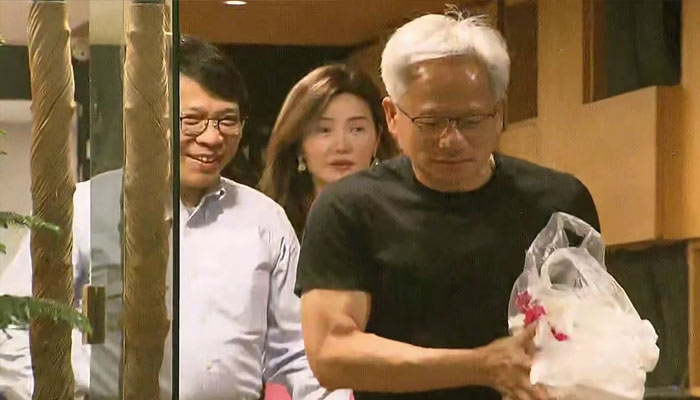
Jensen Huang’s Nvidia Comeback Sparks Fresh Debate Over Workplace Misconduct, Sexism And Corporate Accountability
The reinstatement of Nvidia CEO Jensen Huang has reignited a debate over workplace harassment, gender equality and whether powerful business leaders are held to the same standards as ordinary employees. His return, despite allegations of sexual misconduct and violations of company policy, has raised concerns that corporate accountability could be weakening in the post-#MeToo era.
The controversy comes at a time when several prominent business leaders have faced professional consequences over workplace relationships and inappropriate conduct. In one widely discussed case, the CEO of an Ohio-based technology company resigned after a video showed him embracing an employee at a Coldplay concert. McDonald’s former CEO also lost his position following revelations about a consensual relationship with an employee.
Against this backdrop, Nvidia’s decision to bring Huang back has attracted considerable attention, particularly because the company’s board did not publicly address the sexual misconduct allegations when announcing his reinstatement.
Nvidia Board Backs Jensen Huang’s Return
Huang’s departure followed reports concerning an extramarital relationship with a woman suspected of having links to Chinese intelligence, as well as allegations involving another woman who reportedly worked under him.
He acknowledged violating Nvidia’s code of conduct, which cautions employees against personal relationships that could create conflicts of interest.
However, following a campaign by influential supporters in the technology industry and intervention involving US President Donald Trump, Nvidia’s board voted unanimously on Monday to reinstate Huang.
The board reportedly said it had received assurances from the US government that Huang did not pose a national security concern. However, its announcement did not address the allegations relating to workplace conduct.
Trump also weighed in on the controversy, suggesting that the scandal could ultimately benefit Huang’s public image.
“Sex sells, fellas,” the president remarked during an interview with CNBC.
He also shared a manipulated image depicting Huang holding up a red bra in a pose resembling the famous photograph of Trump following the 2024 assassination attempt in Butler, Pennsylvania.
The White House did not immediately respond to requests for comment from The Associated Press.
Critics Warn Of A Setback For The #MeToo Movement
The decision has triggered criticism from workplace equality advocates, who argue that reinstating a powerful executive despite allegations involving workplace relationships could send the wrong message to employees.
Cheyenne Hunt, an attorney who founded the advocacy organisation Reckoning Action, said Trump’s response reinforced the perception that influential men could escape accountability for misconduct involving women.
“This sends a horrible message to men everywhere that it’s open season on their direct reports,” Hunt said.
Randall Peterson, a professor of organisational behaviour at London Business School, said the #MeToo movement had established an important principle: relationships between senior executives and subordinate employees create serious concerns because of the potential imbalance of power.
He warned that the latest developments could signal a return to workplace attitudes that existed before the movement gained prominence.
Peterson said he was disappointed by the apparent shift, adding that he had hoped organisations had moved beyond such practices.
Huang Apologises To Employees After Returning
Following his reinstatement, Huang addressed Nvidia employees during a livestreamed meeting and reportedly acknowledged that he had made mistakes.
According to a meeting reviewed by The New York Times, he said he was undergoing daily therapy and reminded employees that his return should not be interpreted as permission for others to violate company policies.
He reportedly remarked that forgiveness was sometimes appropriate and sometimes not.
Huang also responded to reports about his management style, which described instances of him publicly reprimanding employees and threatening violence. He acknowledged that he had occasionally gone too far and said Nvidia’s human resources department would begin collecting feedback about his behaviour.
Despite these statements, questions about corporate accountability remain.
Ann Lipton, a University of Colorado Boulder law professor specialising in corporate and securities law, said the circumstances surrounding Huang’s return had created the impression that his position and business success made him difficult to hold accountable.
She argued that the episode raised broader questions about whether highly successful executives receive different treatment from other employees.
Nvidia’s Corporate Culture And The Power Of A Celebrity CEO
The controversy has also brought attention to Nvidia’s board independence and its corporate culture, which critics say places enormous importance on its high-profile chief executive.
Thousands of current and former employees reportedly signed a petition supporting Huang’s return. Meanwhile, concerns about Nvidia’s falling stock price and the wider artificial intelligence market strengthened arguments among his supporters that his leadership was essential to the company’s future.
Nvidia shares surged 31.5% on Monday following the reinstatement announcement, although the stock subsequently declined. Employees also reportedly chanted Huang’s name as he returned to the company’s headquarters.
Freada Kapor Klein, an investor and advocate for equity and inclusion in the technology sector, said successful technology companies can develop cultures resembling exclusive clubs, where employees become deeply invested in the organisation’s leadership.
She also highlighted how the technology industry often elevates successful executives to celebrity status by portraying them as exceptional innovators and business geniuses.
Such admiration, critics argue, can make it harder to question the behaviour of influential leaders.
Gender Representation At Nvidia Under Scrutiny
The controversy has also renewed questions about women’s representation within Nvidia.
According to the company’s latest sustainability report, women account for approximately 21% of its global workforce, with their representation even lower across certain management and leadership positions.
Nvidia’s report highlights initiatives aimed at improving gender pay equality, supporting employee resource groups and providing family-friendly benefits, including paid parental leave.
Its code of conduct also requires employees to report suspected violations and outlines protections against workplace retaliation.
However, advocates say the response to allegations involving senior executives is equally important in determining whether employees feel safe reporting misconduct.
Fatima Goss Graves, president and CEO of the National Women’s Law Center, said Huang’s reinstatement could discourage people who have experienced workplace harassment or misconduct from coming forward.
At the same time, she noted that the #MeToo movement continues to encourage survivors to speak publicly and seek support. High-profile controversies can also lead to increased complaints to organisations that assist victims of workplace harassment.
Other Political And Workplace Misconduct Cases Add To Debate
The Nvidia controversy emerged alongside another high-profile development in Washington.
On the same day Huang was reinstated, Democratic Representative Jimmy Gomez of California resigned from Congress after the House Ethics Committee released a report finding substantial evidence that he had made unwelcome sexual advances towards a House staffer and subjected the individual to unwanted sexual contact.
The developments have further intensified discussions about accountability for powerful individuals across business and politics.
Huang’s reinstatement has also attracted bipartisan criticism because of Trump’s involvement in the process. The Nvidia chief is expected to testify before the Senate Banking Committee next week.
For workplace equality advocates, the larger question extends beyond one executive or one company. They argue that corporate success, political influence and financial power should not determine whether workplace conduct is scrutinised.
As Fatima Goss Graves cautioned, the response to the controversy will be important in determining whether influential individuals can be held accountable or whether some are considered too powerful to face consequences.
Comments are closed.